Oily skin can be frustrating to manage, but the good news is that you don't need expensive treatments or harsh chemicals to keep it under control. Natural remedies and simple lifestyle adjustments can help you reduce excess oil production and achieve a clearer, more balanced complexion. Let's explore practical, evidence-based methods to manage oily skin from home.
Understanding Why Your Skin Gets Oily
Before diving into solutions, it helps to understand what causes oily skin. Your skin produces sebum, a natural oil that protects and moisturizes it. When sebaceous glands produce too much sebum, your skin becomes shiny and prone to breakouts. Hormones, genetics, humidity, and certain skincare habits can all trigger excess oil production.
Cleanse with the Right Approach
Over-washing strips your skin of natural oils, which can actually trigger more oil production as your skin tries to compensate. Instead, wash your face twice daily with a gentle, pH-balanced cleanser like COSRX Low-pH Good Morning Cleanser. Look for products with natural ingredients like tea tree oil or charcoal, which help remove excess oil without over-drying. Lukewarm water is ideal—hot water can stimulate oil glands.
Use Clay Masks Regularly
Clay masks are one of the most effective natural ways to control oily skin. Bentonite and kaolin clay absorb excess sebum and impurities from pores. Apply a clay mask once or twice weekly for 10–15 minutes, then rinse with cool water. This simple step can noticeably reduce shine and improve skin texture. An example would be Charcoal BHA Pore Clay Bubble Mask.
Incorporate Toner and Astringents
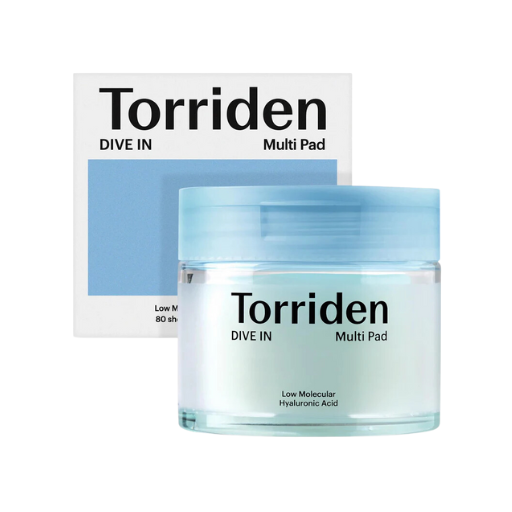
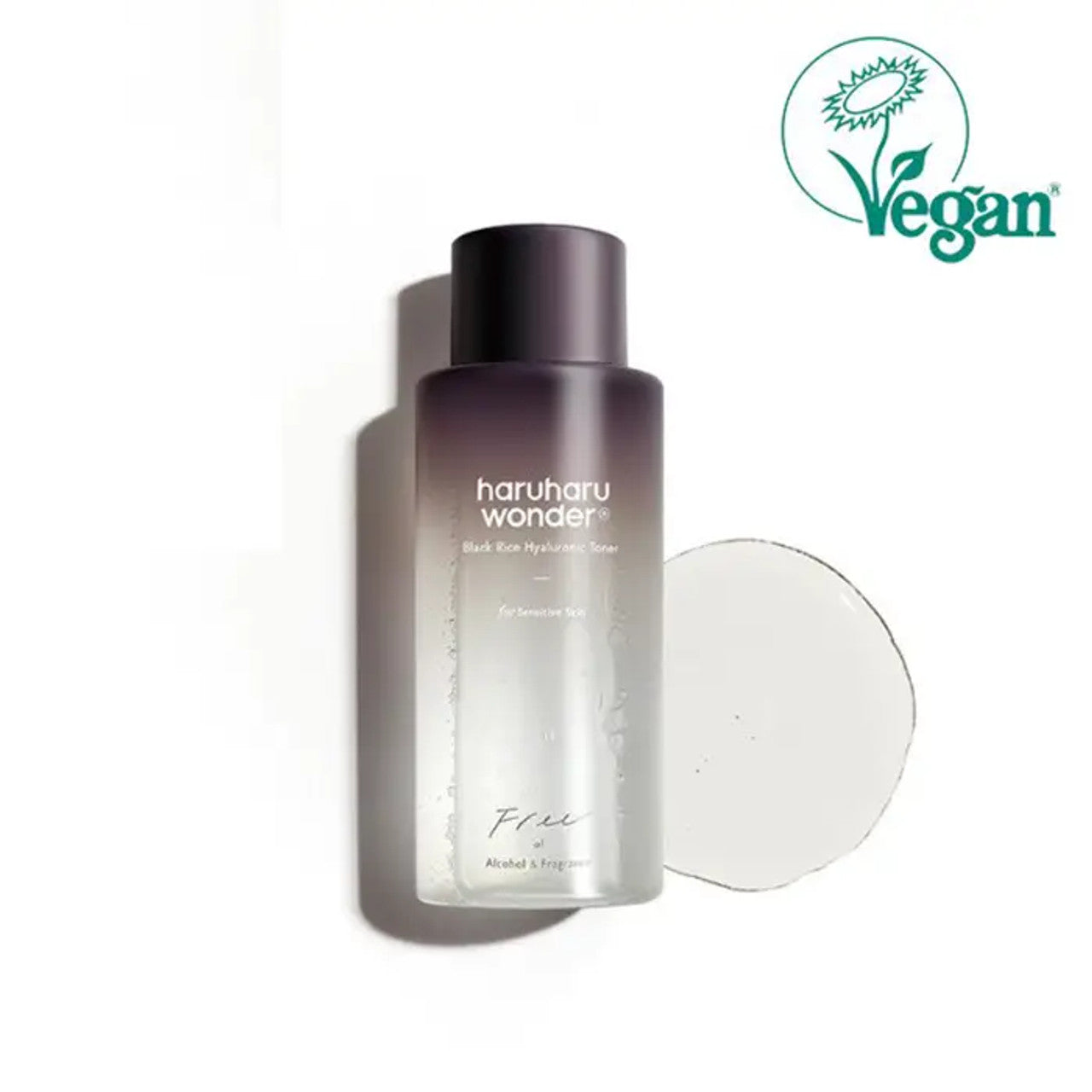
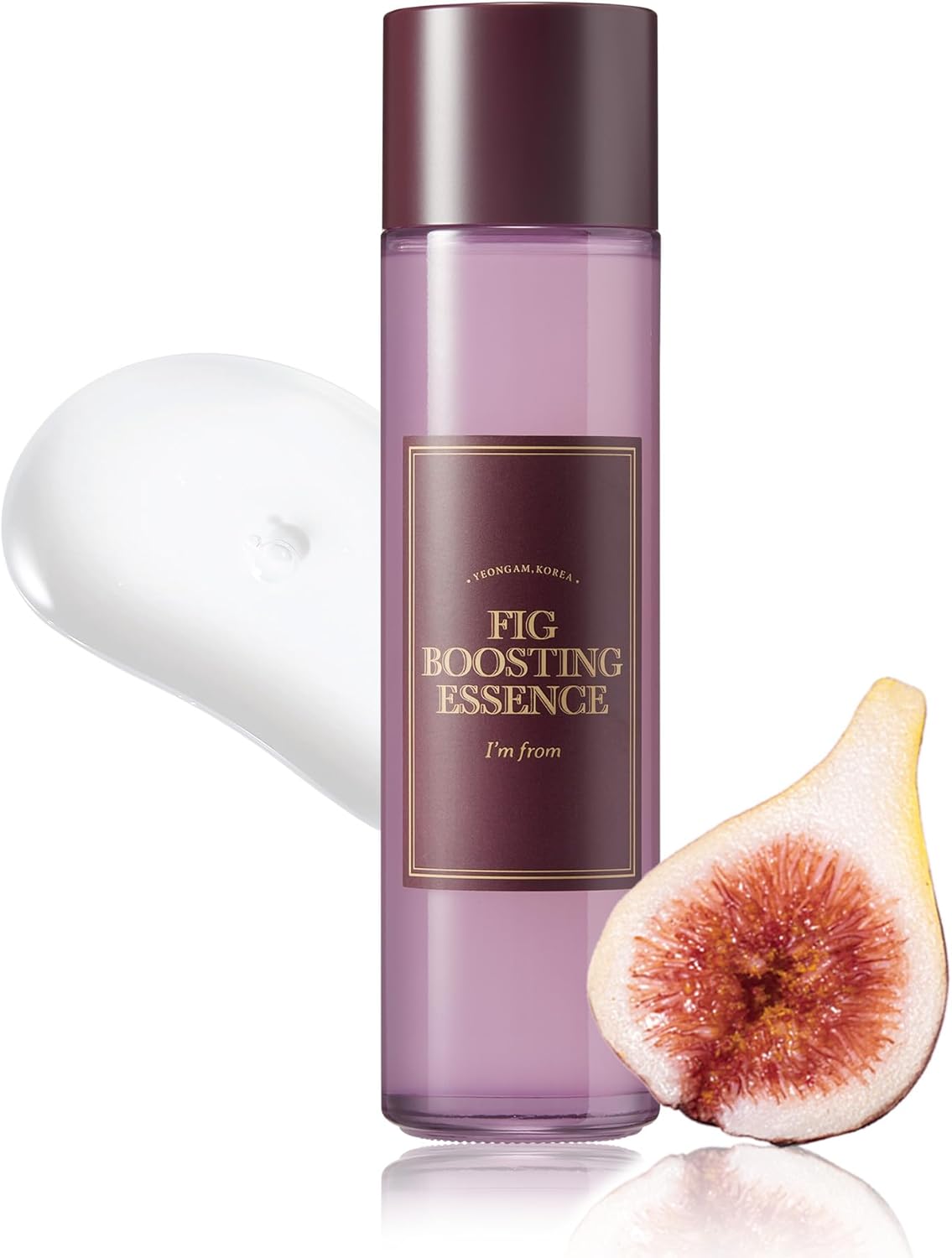
Natural astringents like witch hazel, apple cider vinegar, and rose water help tighten pores and reduce oil. After cleansing, apply a toner with these ingredients using a cotton pad. They work by temporarily constricting pores and removing residual oil, leaving your skin feeling fresh and matte.
Moisturize with Lightweight Products
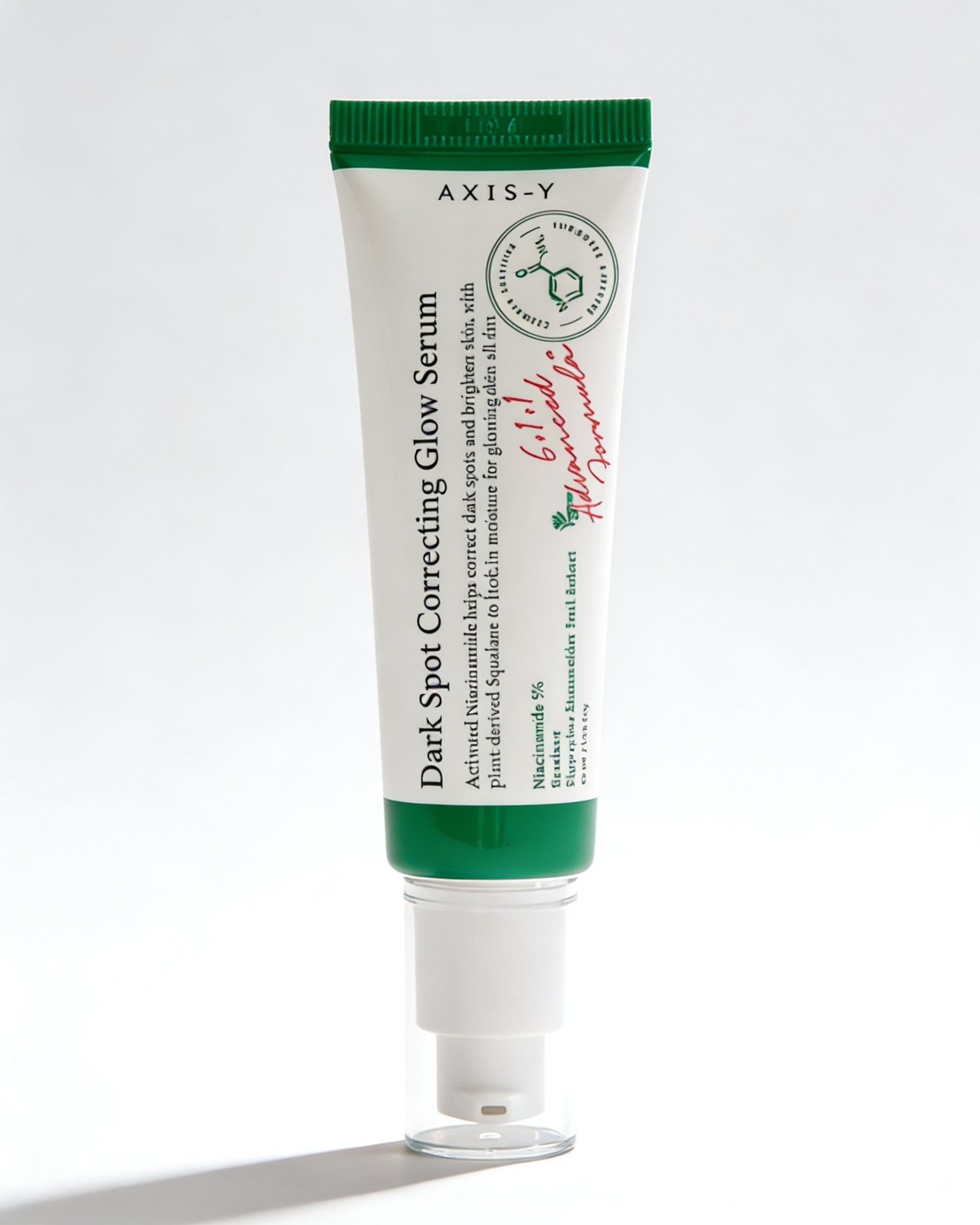
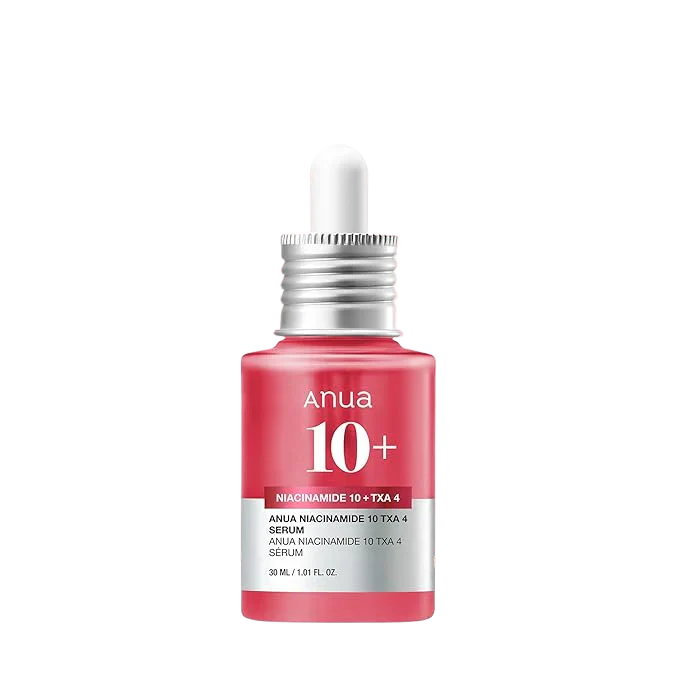
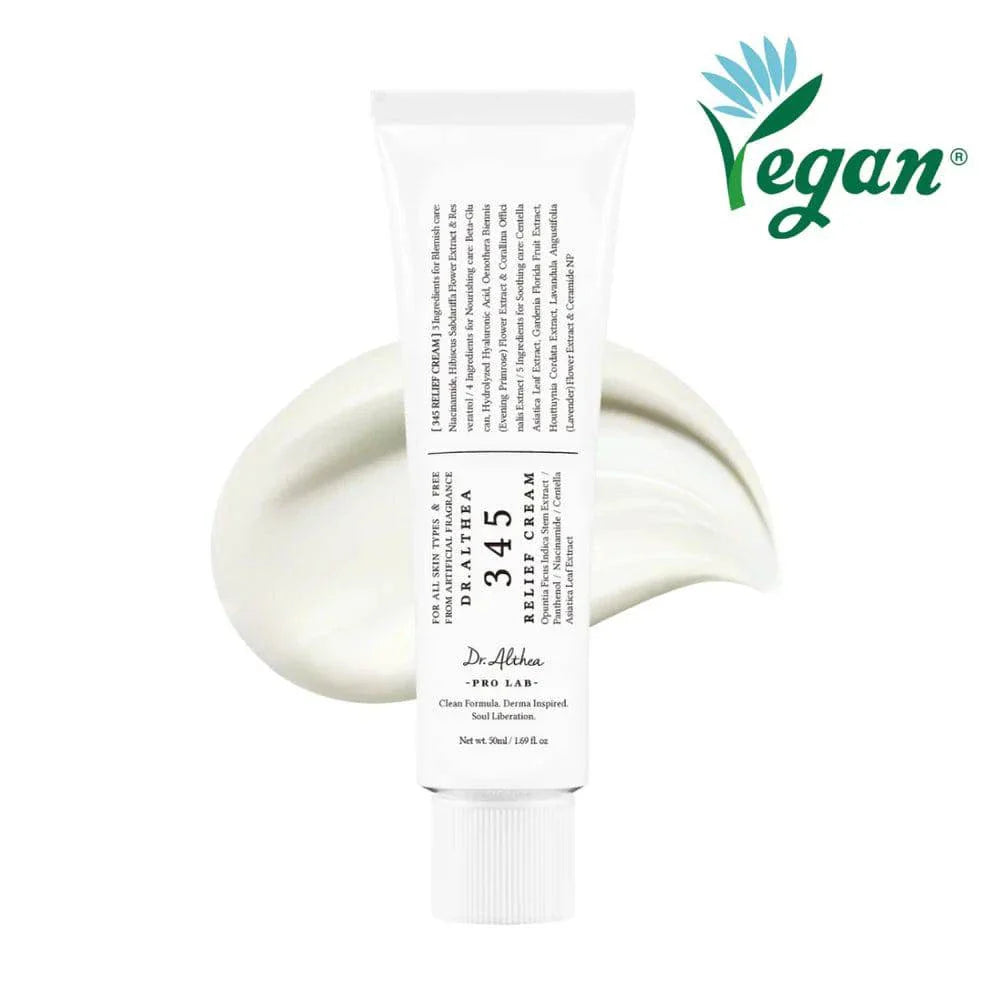
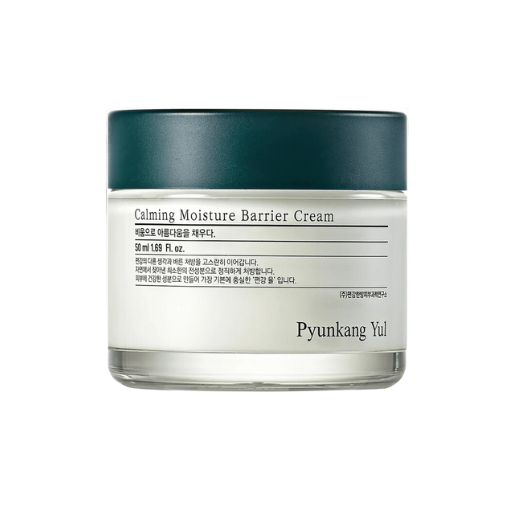
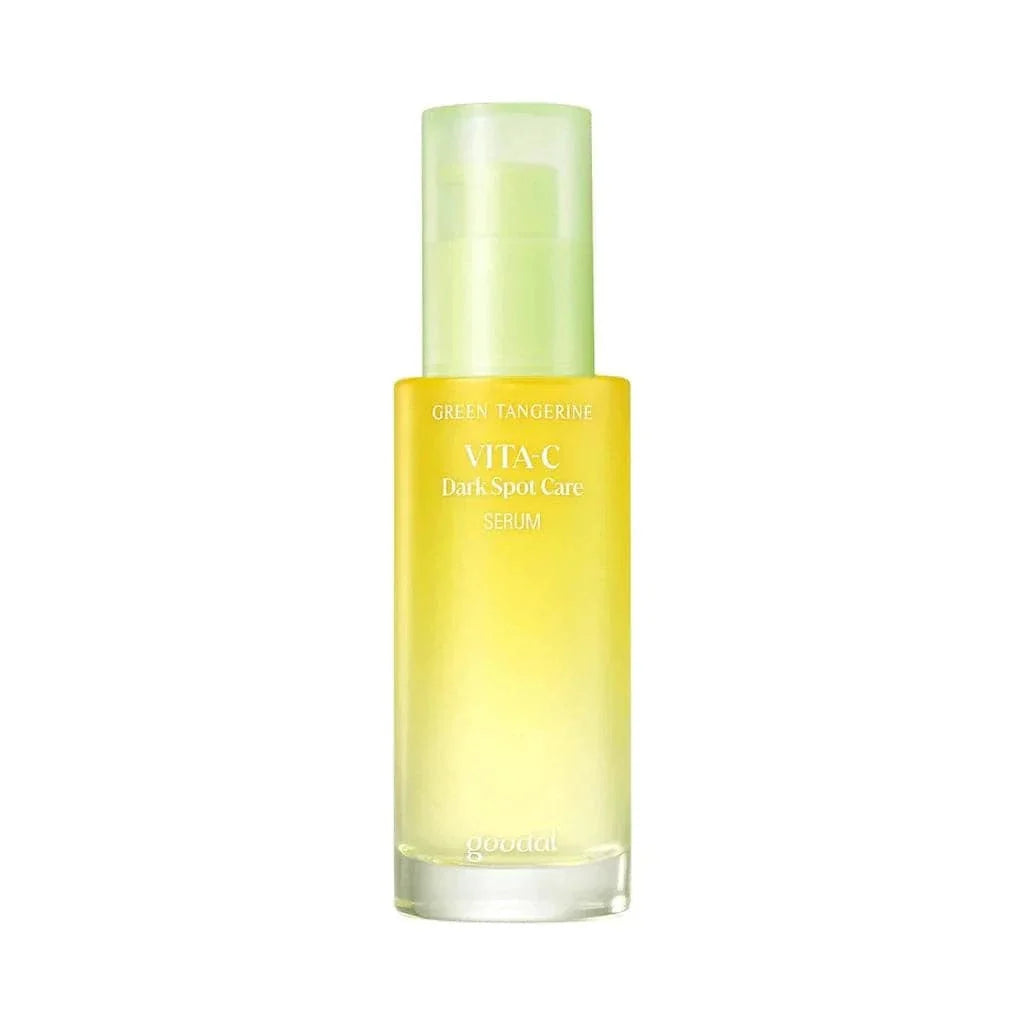
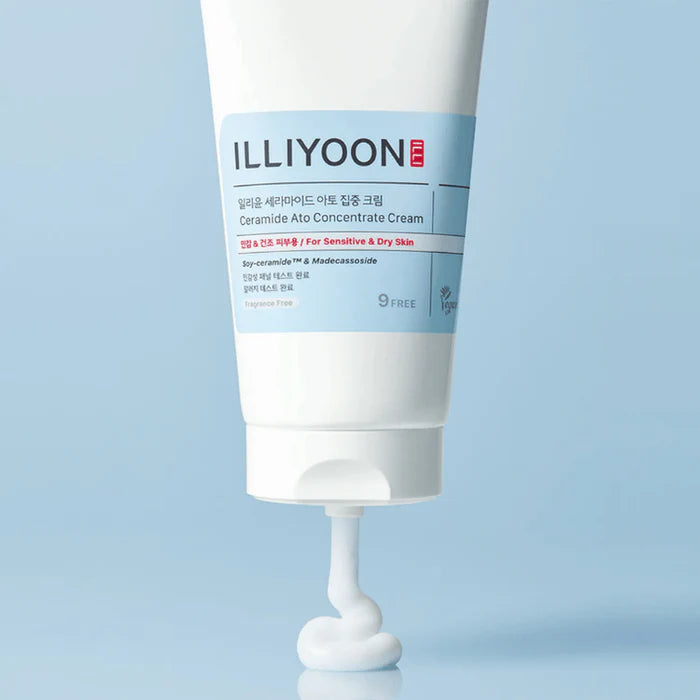
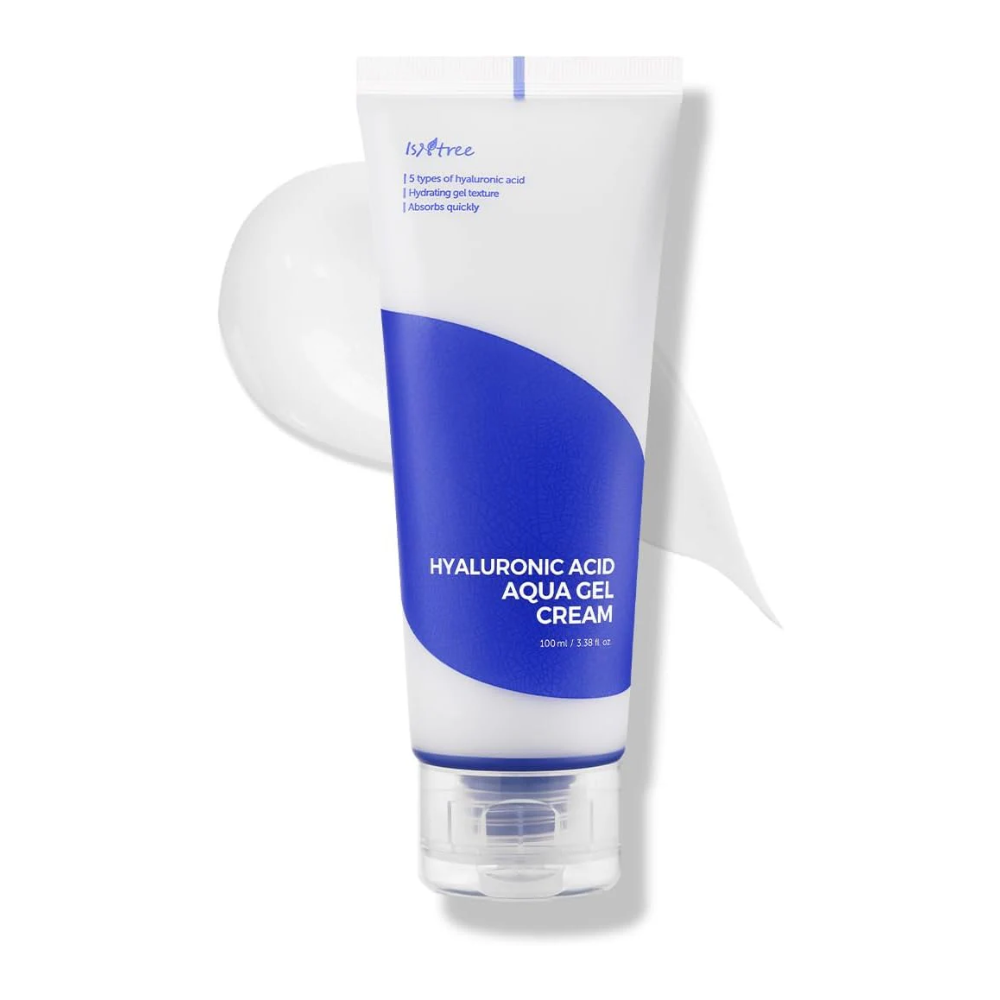
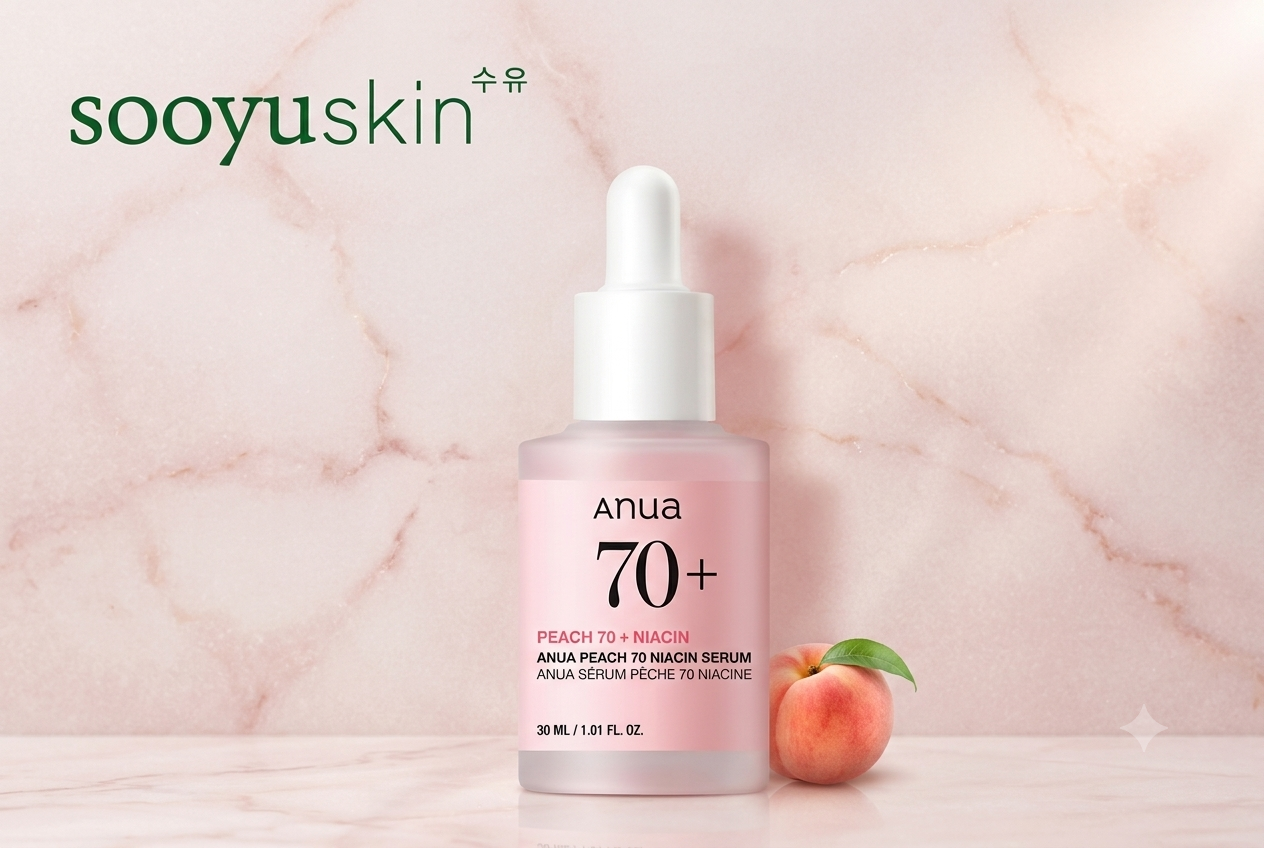
Skipping moisturizer won't help oily skin, in fact, it can make it worse. Your skin needs hydration to function properly. Choose lightweight, oil-free moisturizers or serums with ingredients like hyaluronic acid or niacinamide. These hydrate without adding extra oil, helping to balance your skin's natural moisture levels.
Try Natural Oils That Balance Skin
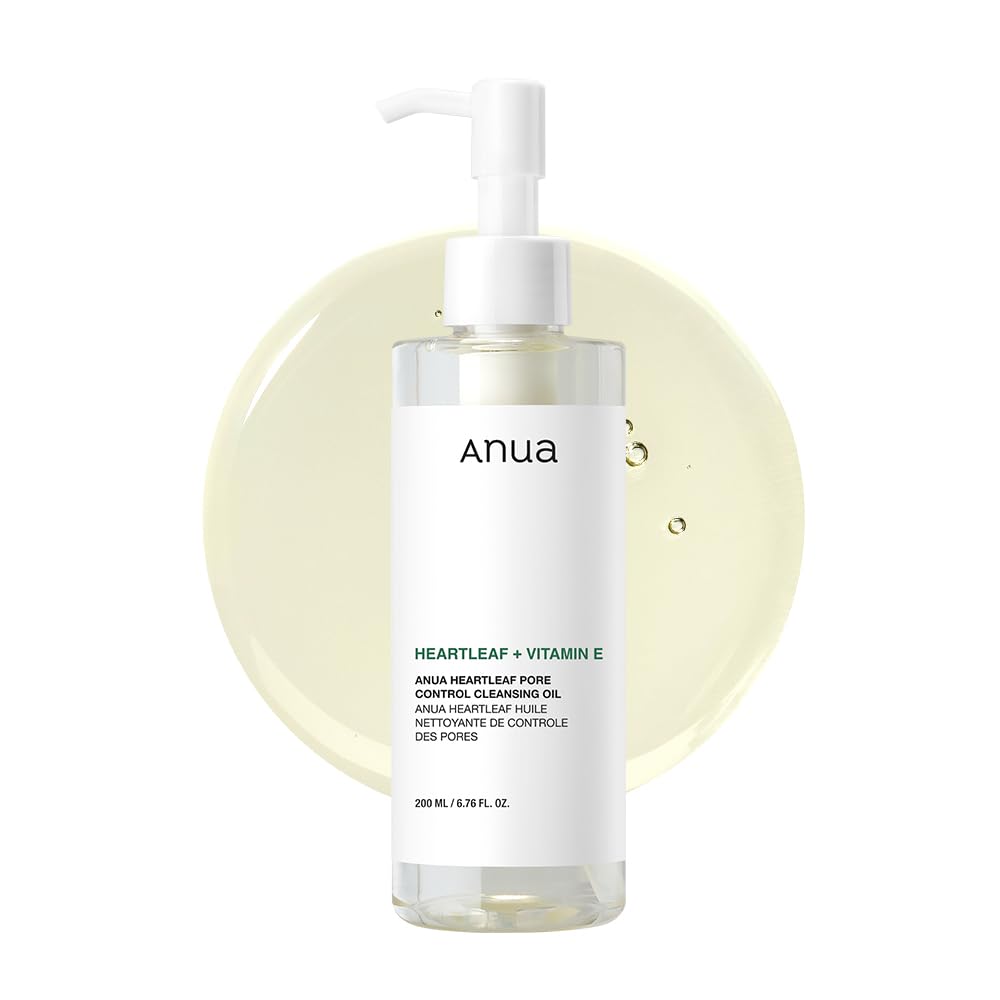
Counterintuitively, certain oils can help reduce oily skin. Jojoba oil mimics your skin's natural sebum and signals your glands to produce less oil. A good example would be Celimax Fresh Blackhead Jojoba Cleansing Oil. Tea tree oil has antibacterial properties that prevent breakouts. Use these sparingly, a few drops mixed into your moisturizer or applied directly to problem areas can make a difference.
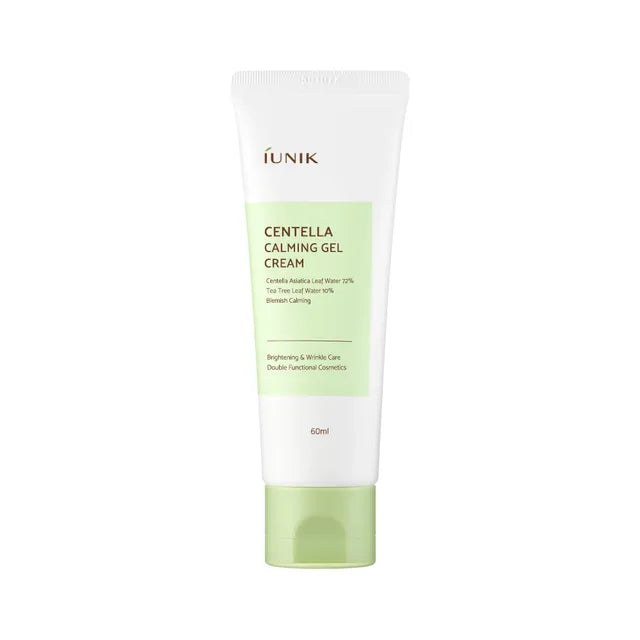
Mary&May Cica Houttuynia Tea Tree Calming Mask, formulated with centella asiatica, houttuynia cordata, and tea tree extract, helps calm inflammation, reduce redness, and control excess oil.
Adjust Your Diet and Hydration
What you eat affects your skin. Foods high in refined carbohydrates and sugar can increase sebum production. Instead, focus on a diet rich in fruits, vegetables, whole grains, and omega-3 fatty acids. Drinking plenty of water also helps regulate oil production and keeps your skin healthy from within.
Manage Stress and Sleep
Stress triggers hormonal changes that increase oil production. Regular exercise, meditation, and adequate sleep help regulate hormones and reduce sebum. Aim for 7–9 hours of quality sleep each night and find stress-relief activities that work for you.
Avoid Pore-Clogging Products
Heavy foundations, powders, and comedogenic products can trap oil and worsen breakouts. Choose non-comedogenic, oil-free makeup and skincare products. If you wear makeup, remove it thoroughly each evening with a gentle cleanser.
Use Blotting Papers Throughout the Day
For quick oil control on the go, blotting papers are a game-changer. They absorb excess oil without disrupting your makeup or skincare. Keep a pack in your bag for touch-ups throughout the day.
Consider Natural Supplements
Zinc supplements and omega-3 fatty acids may help regulate sebum production. Consult with a healthcare provider before starting any supplement regimen to ensure it's right for you.
Be Patient and Consistent
Managing oily skin naturally takes time. Most natural remedies show results within 2–4 weeks of consistent use. Track what works for your skin and adjust your routine as needed. Everyone's skin is different, so what works for someone else might need tweaking for your unique complexion.
By combining these natural approaches, proper cleansing, targeted treatments, dietary changes, and stress management, you can effectively reduce oily skin and achieve a healthier, more balanced complexion without relying on harsh chemicals or expensive treatments.