Dark spots, acne marks, and uneven skin tone can take time to fade, even when you follow a consistent skincare routine. Tranexamic acid is a skincare ingredient that may help improve the appearance of hyperpigmentation by influencing the processes involved in excess pigment production.
If you are looking for tranexamic acid for dark spots, this guide explains how it works, how to use a tranexamic acid serum, and what to expect from regular use.
What Is Tranexamic Acid in Skincare?
Tranexamic acid is an ingredient originally used in medicine to help control bleeding. In skincare, topical tranexamic acid is used to improve the appearance of hyperpigmentation, including melasma and post-inflammatory hyperpigmentation (dark marks left after inflammation or acne).
Unlike exfoliating acids such as glycolic acid, tranexamic acid is not primarily used to remove dead skin cells. Instead, it influences pathways involved in melanin production and pigmentation.
Research suggests that topical tranexamic acid may help reduce the appearance of uneven pigmentation, although results vary depending on the formulation, concentration, skin condition, and consistency of use.
Is Tranexamic Acid Good for Dark Spots?
Yes, tranexamic acid can be a useful ingredient for certain types of dark spots, particularly melasma and post-inflammatory hyperpigmentation. Clinical research has found improvements in pigmentation with topical formulations, although the evidence varies across studies.
It may be worth considering if you have:
- Dark marks left behind by acne.
- Uneven skin tone or patches of pigmentation.
- Melasma, which often appears as brown or grey-brown patches on the face.
- Persistent discoloration that has not improved with a basic skincare routine.
However, tranexamic acid is not a universal solution for every type of pigmentation. Dark spots can have different causes, and some may require a dermatologist's assessment.
How Does Tranexamic Acid Work for Hyperpigmentation?
Melanin is the pigment responsible for skin color. When pigment production becomes uneven, or increases in certain areas, dark spots and patches can develop.
Tranexamic acid helps influence chemical signalling involved in this process, particularly pathways associated with inflammation and UV exposure. By reducing some of these signals, topical tranexamic acid may help limit excess pigmentation and gradually improve the appearance of existing dark spots.
This does not mean it removes pigment instantly or permanently prevents new spots. Sun exposure, hormonal changes, acne, and skin irritation can all contribute to recurring pigmentation.
Tranexamic Acid Serum for Dark Spots: Why Consider It?
A tranexamic acid serum for dark spots can be a practical addition to a routine focused on uneven skin tone. Serums are designed to deliver skincare ingredients in lightweight formulations, although their effectiveness depends on the complete formula rather than the product format alone.
When choosing a serum, check the ingredient list, follow the manufacturer's directions, and consider your skin's sensitivity.
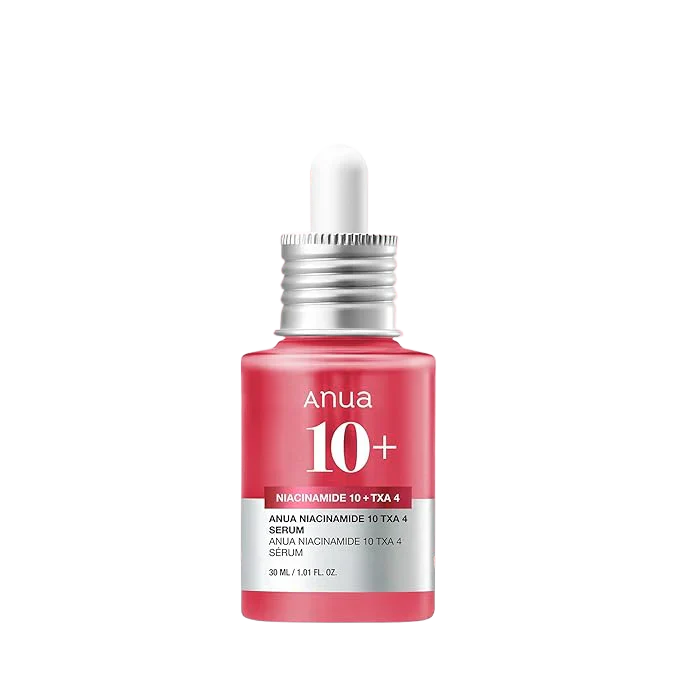
If you want to incorporate this ingredient into your routine, get the Anua Niacinamide 10% + TXA 4% Serum at sooyuskin. Use the product according to its label, particularly if it contains additional active ingredients.
Tranexamic Acid Cream for Dark Spots: Is It Different From a Serum?
Both tranexamic acid cream for dark spots and serum formulations can help target hyperpigmentation. The main difference is the overall formulation and texture.
A serum may feel lighter and layer easily beneath moisturiser, while a cream may offer additional emollients that help soften the skin and reduce moisture loss. Neither format is automatically more effective. The concentration, supporting ingredients, stability, and suitability for your skin matter more than whether the product is labelled a serum or cream.
Choose the format that fits comfortably into your existing routine.
How to Use Tranexamic Acid for Dark Spots
Introducing tranexamic acid gradually can help you assess how your skin responds.
1. Start with clean skin
Use a gentle cleanser to remove sunscreen, oil, and daily buildup. Avoid harsh scrubbing, which can irritate the skin and potentially worsen post-inflammatory pigmentation.
2. Apply the serum as directed
Apply tranexamic acid serum according to its product instructions. Use the recommended amount rather than applying extra product in an attempt to speed up results.
If you have sensitive skin, begin less frequently than the maximum recommended use, provided the product directions allow it.
3. Follow with moisturiser
Apply a moisturiser to help maintain the skin barrier. Keeping your skin comfortable is important because irritation can contribute to further discoloration, especially in skin prone to post-inflammatory hyperpigmentation.
4. Use sunscreen every morning
Broad-spectrum SPF 50 like Beauty of Joseon Relief Sun: Rice + Niacinamide SPF50+ PA++++ is an important part of managing dark spots. Sun exposure can worsen existing pigmentation and contribute to new discoloration, even when you are using a targeted serum.
Apply sunscreen as the final step of your morning skincare routine and reapply as directed, particularly during prolonged outdoor exposure.
5. Be consistent
Pigmentation usually improves gradually rather than overnight. Allow several weeks of consistent use to assess whether the product is helping, while recognising that more persistent pigmentation may take longer and may need professional treatment.
Stop using the product if you develop significant irritation, and seek professional advice if the reaction persists.
Tranexamic Acid vs. Vitamin C for Dark Spots
Tranexamic acid and vitamin C can both be useful ingredients in a pigmentation-focused skincare routine, but they work differently.
Tranexamic acid influences signalling pathways involved in excess pigmentation and is often considered for melasma and post-inflammatory hyperpigmentation.
Vitamin C is an antioxidant that helps protect skin from oxidative stress and also influences melanin production. It may be useful for uneven skin tone and can complement daily sun protection.
Neither ingredient is the best choice for everyone. Your skin type, sensitivity, the formulation, and the cause of your dark spots should guide your decision. You do not necessarily need to use both ingredients at once, especially if your routine is new or your skin is easily irritated.
How Long Does Tranexamic Acid Take to Work?
The time required to see improvement depends on the type and depth of pigmentation, the formulation, and how consistently you use the product.
Some people may notice gradual changes after several weeks, while more persistent melasma or deeper pigmentation may take months to improve. Research findings differ between products, so a specific timeline cannot be guaranteed.
If your dark spots remain unchanged after a consistent trial, or if the pigmentation is spreading or changing, consult a dermatologist about other possible causes and treatment options.
Can You Use Tranexamic Acid Every Day?
Many topical tranexamic acid products are designed for regular use, but the appropriate frequency depends on the specific formulation and its other ingredients.
Follow the product label, introduce new actives gradually, and avoid combining several potentially irritating products at once. Patch testing before regular use is a sensible precaution.
Topical tranexamic acid is different from oral tranexamic acid, which is a medicine with potential systemic risks. Do not take oral tranexamic acid for dark spots without medical supervision.
Final Thoughts
Tranexamic acid for dark spots can be a useful option for people looking to improve the appearance of melasma, acne marks, and uneven pigmentation. Its benefits depend on the cause of the discoloration, the formulation you choose, and how consistently you follow your routine.
For a simple approach, combine a suitable tranexamic acid serum with moisturiser and daily sunscreen. Explore the Tranexamic Acid Collection at Sooyuskin as a potential addition to your pigmentation-focused skincare routine, and give your skin time to respond without expecting overnight results.
Frequently Asked Questions About Tranexamic Acid for Dark Spots
1. Does Tranexamic Acid Work for Dark Spots?
Yes, topical tranexamic acid may help reduce the appearance of dark spots, melasma, and post-inflammatory hyperpigmentation. It works by influencing pathways involved in excess pigmentation. Results vary depending on the cause of the dark spots, the product formulation, and how consistently you use it.
2. How Long Does Tranexamic Acid Take to Fade Dark Spots?
Tranexamic acid may take several weeks to show noticeable improvements, while persistent pigmentation can take several months to improve. The timeline depends on the type of pigmentation, product formulation, and consistency of use. Daily sunscreen can help prevent existing dark spots from becoming darker.
3. Can You Use Tranexamic Acid Without Sunscreen?
Although tranexamic acid can be applied without sunscreen, using a broad-spectrum SPF 30 or higher every morning is strongly recommended when treating hyperpigmentation. Sun exposure can worsen dark spots and contribute to new pigmentation, potentially limiting the visible results of your skincare routine.
4. Can You Use Tranexamic Acid With Niacinamide?
Yes, tranexamic acid and niacinamide can generally be used together. Tranexamic acid targets pigmentation pathways, while niacinamide supports the skin barrier and may help improve uneven skin tone. Introduce new products gradually and check their ingredient lists to reduce the risk of irritation.
5. Does Tranexamic Acid Help With Acne Scars?
Tranexamic acid may help fade flat, dark marks left behind by acne, known as post-inflammatory hyperpigmentation. However, it does not directly treat indented or raised acne scars. Textural scars may require other treatments recommended by a dermatologist.
6. Is Tranexamic Acid Suitable for Sensitive or Acne-Prone Skin?
Tranexamic acid may suit some people with sensitive or acne-prone skin, but tolerance depends on the product's full formulation and individual skin sensitivity. Choose a suitable product, patch test before regular use, and introduce it gradually. Stop using it if you develop significant irritation.
7. Should You Use Tranexamic Acid in the Morning or at Night?
Tranexamic acid can generally be used in the morning or evening, depending on the product's instructions. If you apply it in the morning, follow with moisturiser and broad-spectrum sunscreen. Consistent use according to the product label matters more than choosing a specific time of day.
8. What Are the Side Effects of Tranexamic Acid Serum?
Topical tranexamic acid is generally well tolerated, but some people may experience redness, dryness, itching, or irritation. Other ingredients in the serum can also cause reactions. Stop using the product if you develop a significant reaction and seek medical advice if symptoms persist or worsen.