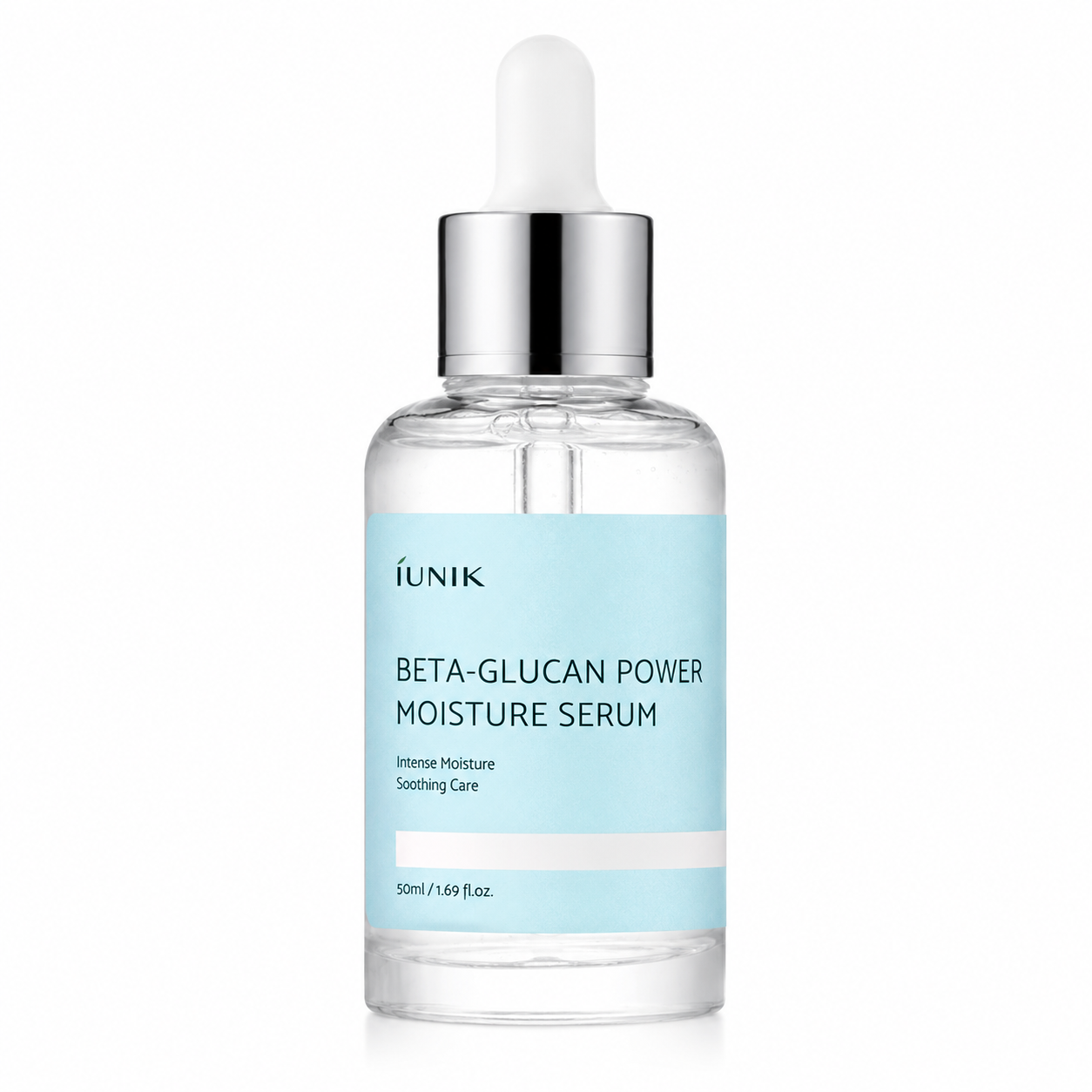
Your skin barrier plays an essential role in maintaining healthy, balanced skin, and skin barrier repair has become a major focus in skincare routines in 2026. If you've noticed sensitivity, dryness, or irritation, your damaged skin barrier may need targeted care and a gentler skincare routine. Let's explore what barrier repair is, why it matters, and how to strengthen yours with the right products.
What Is Your Skin Barrier and Why Does It Matter?
Your skin barrier, also called the stratum corneum, is the outermost layer of your skin. It acts as a protective shield, keeping moisture in and harmful irritants out. When your barrier is healthy, your skin looks plump, feels smooth, and resists environmental stressors. A damaged skin barrier compromises this protection, leading to sensitivity, redness, and dehydration that may require more than just adding moisture.
Signs Your Skin Barrier Needs Repair
A weakened barrier often shows noticeable signs. Look for persistent dryness that doesn't improve with regular moisturizer, increased sensitivity to products you've used before, redness or inflammation, a tight or uncomfortable feeling, and a dull or rough texture. If you're experiencing any of these, skin barrier repair should be your priority.
Common Causes of Barrier Damage
Over-exfoliation is one of the most common causes of skin barrier damage. Using too many active ingredients or physical scrubs strips away protective oils. Harsh cleansers, extreme weather, low humidity, and excessive heat exposure also damage the barrier. Even stress and lack of sleep can compromise your skin's protective function, creating a damaged skin barrier that requires targeted care.
The Best Ingredients for Skin Barrier Repair
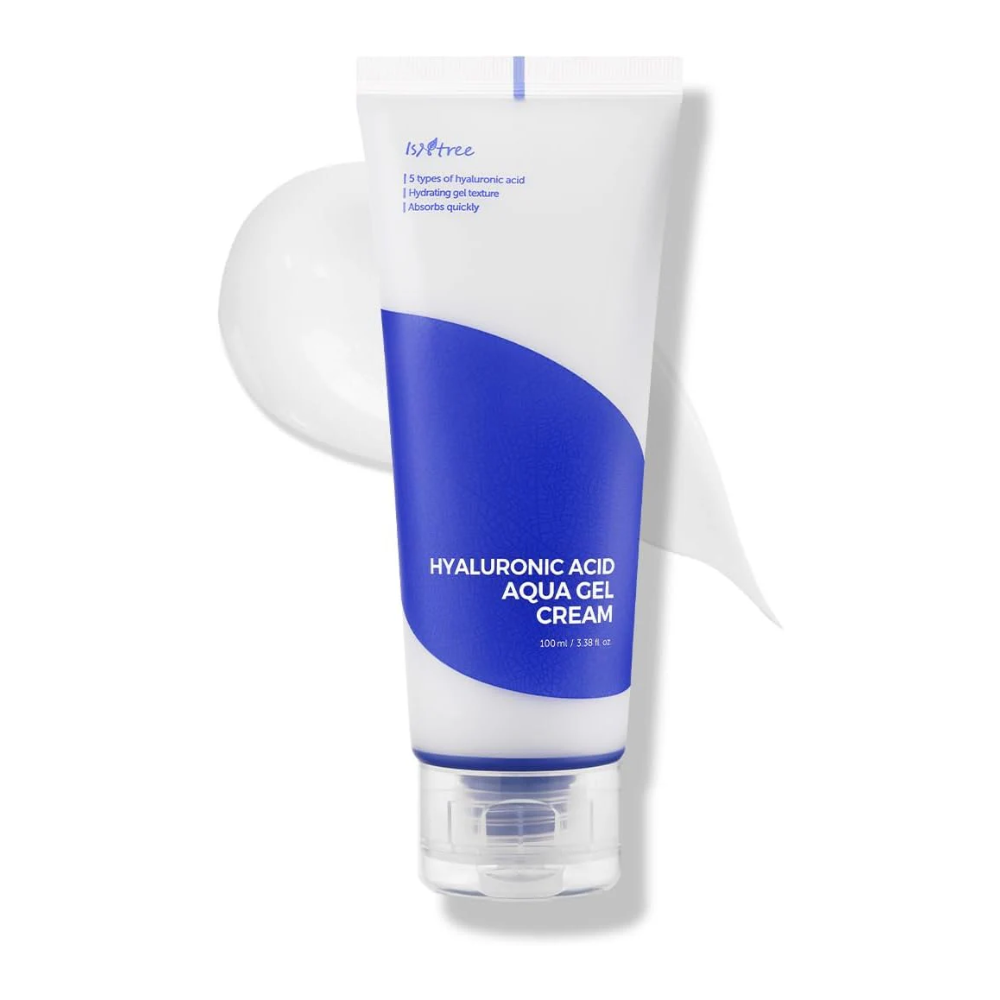
1) Hyaluronic acid helps attract and retain moisture, leaving skin feeling plumper and more hydrated. The COSRX Hydrium Moisture Power Enriched Cream combines hydrating ingredients, including hyaluronic acid and ceramide, to support moisture balance and barrier comfort.
2) Niacinamide is a versatile ingredient that helps strengthen the skin barrier while improving the appearance of redness and uneven tone. The Jumiso All Day Vitamin Brightening & Balancing Serum features niacinamide, centella asiatica, and panthenol to help calm and hydrate stressed skin.
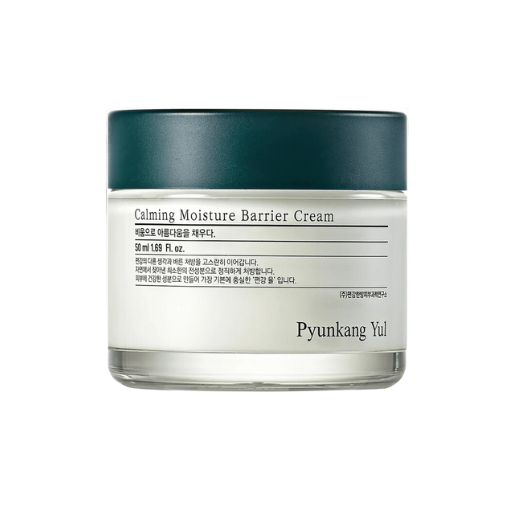
3) Centella asiatica (cica) is well known for its soothing properties. Products such as COSRX Pure Fit Cica Serum and Pyunkang Yul Soothing Moisture Barrier Cream help comfort the skin while supporting barrier recovery.
4) Peptides help support firmer-looking skin and improve the overall appearance of skin texture. The COSRX The 6 Peptide Skin Booster Serum contains multiple peptides to help enhance elasticity and promote smoother-looking skin.
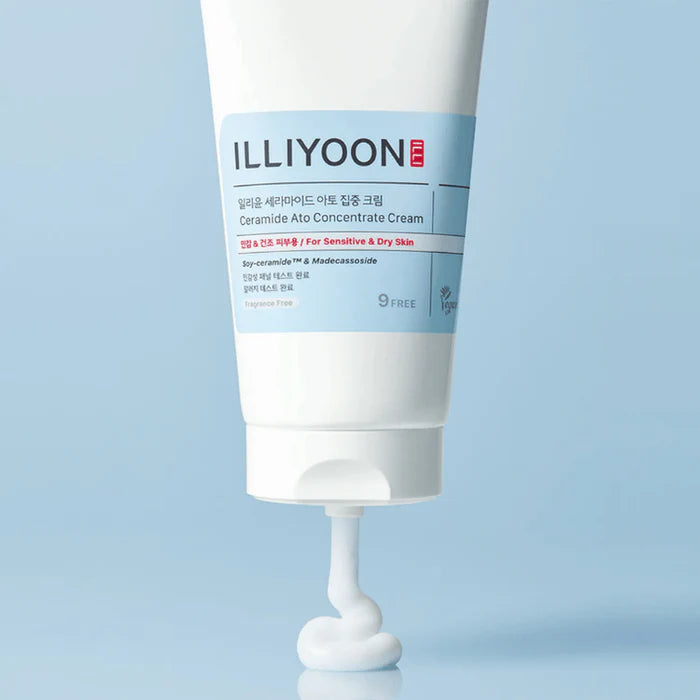
5) Ceramides are naturally found in the skin and help strengthen the skin barrier by preventing moisture loss.
For best results, combine barrier-supporting ingredients with a consistent routine focused on gentle cleansing, hydration, and daily protection.
Your Skin Barrier Repair Routine
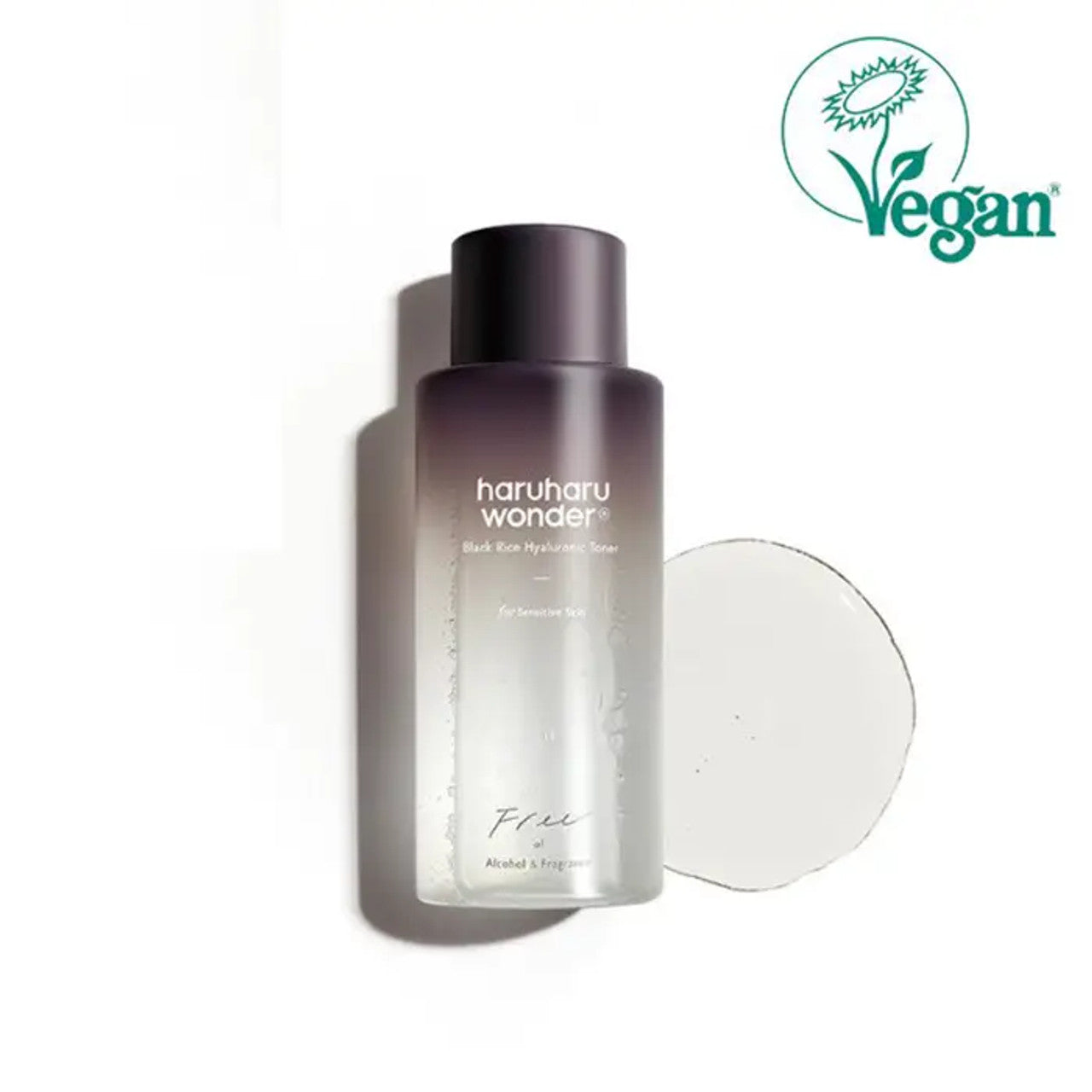
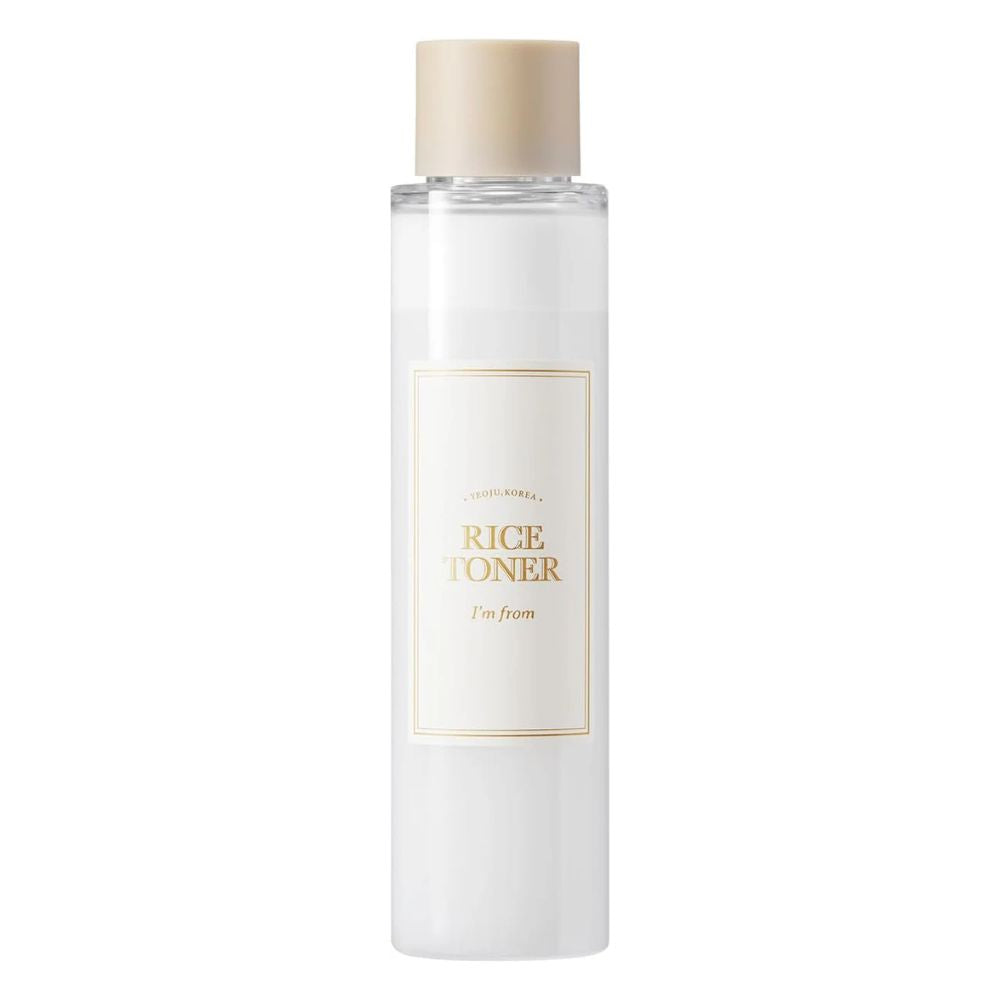
Start with a gentle, pH-balanced cleanser that won't strip your skin. Skip active ingredients like acids and retinoids. Reducing active ingredients temporarily can help minimize irritation while your skin recovers. Apply a hydrating toner or essence to prep your skin. Follow with a barrier-repair serum rich in ceramides and peptides. Finish with a nourishing moisturizer and, during the day, a broad-spectrum SPF 30 or higher. At night, consider a richer cream or sleeping mask to support overnight skin barrier repair.
How Long Does Skin Barrier Repair Take?
Many people notice improvements within a few weeks of consistent barrier-supporting care, although recovery time depends on the level of damage. However, complete restoration of a damaged skin barrier can take six to eight weeks, depending on the severity of damage. Patience and consistency are key. Avoid the temptation to layer multiple new products or reintroduce actives too quickly.
When to Reintroduce Active Ingredients
Once your skin feels comfortable, hydrated, and no longer reactive, you can slowly reintroduce gentle actives like low-concentration retinol or mild exfoliants. Start with once or twice weekly and monitor your skin's response. If sensitivity returns, pause and return to skin barrier repair mode.
Skin Barrier Repair Is an Investment in Long-Term Skin Health
Supporting your skin barrier can help reduce sensitivity and improve your skin's resilience over time. A healthy barrier also helps optimize moisture retention and allows skincare products to perform more effectively. Whether you're dealing with damage from over-treatment or environmental stress, skin barrier repair is an important step toward maintaining healthier, more resilient skin. Explore Sooyuskin's curated selection of barrier-repair products today and start your journey to healthier, stronger skin.