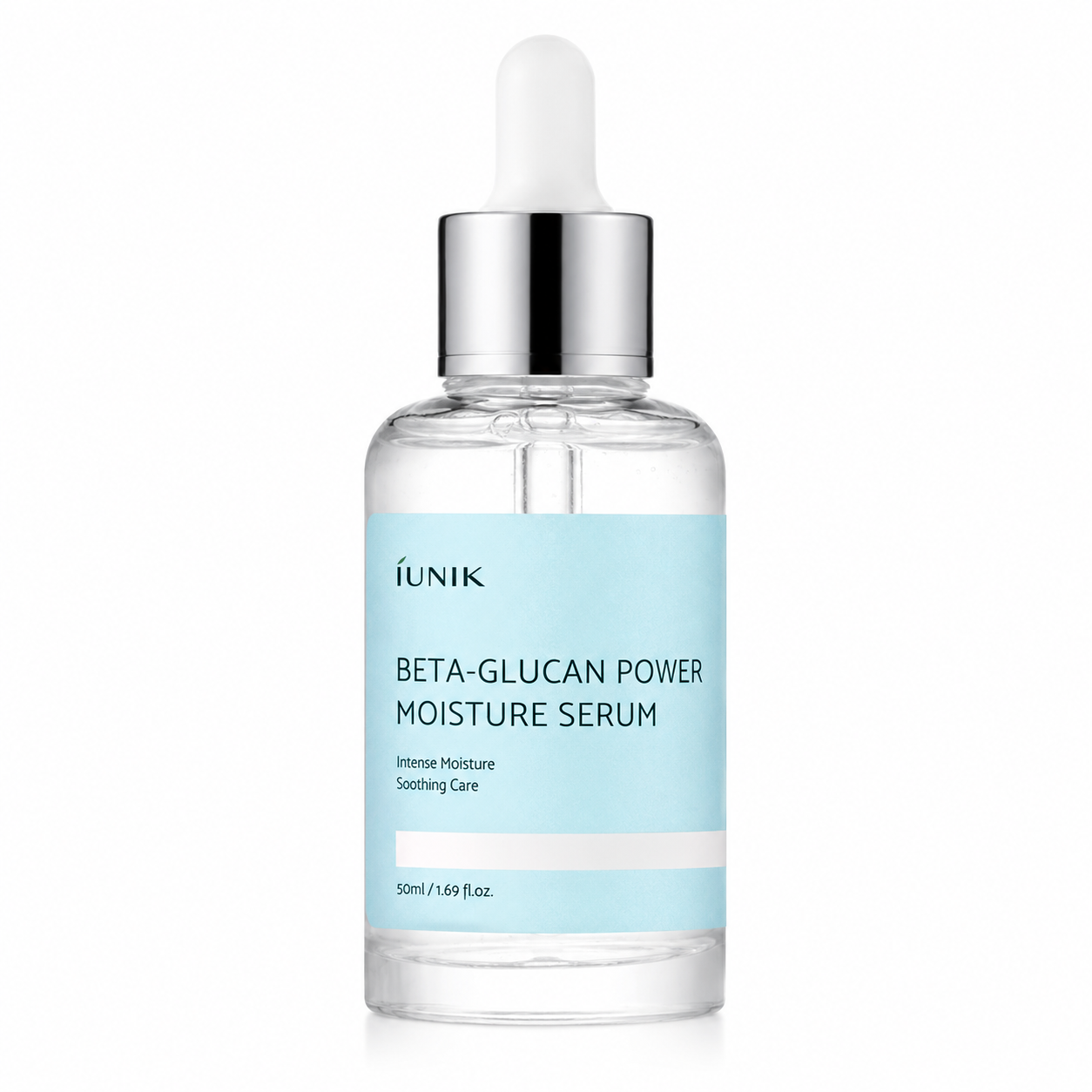
Exosomes have become one of the newer ingredients attracting attention in K-beauty. They are appearing in serums, ampoules, creams, and other skincare products aimed at hydration, skin recovery, and signs of aging. But what exactly are exosomes, and does the research support the claims being made about them?
What Are Exosomes in Skincare?
Exosomes are tiny extracellular vesicles released by cells. They can carry proteins, lipids, and other biological signals involved in communication between cells.
In skincare research, scientists are interested in exosomes because of their potential role in processes related to skin regeneration, inflammation, collagen production, and wound healing. However, much of the research is still developing, and results can vary depending on the source and formulation.
In Korean skincare, these ingredients are generally included in topical products such as serums, ampoules, creams, and masks. The growing interest in them is part of a wider K-beauty focus on ingredients associated with skin recovery, hydration, and healthy-looking skin.
What Can Exosomes Do for Your Skin?
Research into exosomes and skin is promising, but it is still developing. Human studies have reported improvements in several skin-quality measures, although many studies have limitations such as small sample sizes, different treatment methods, and limited follow-up.
Hydration
Some clinical studies have reported improvements in skin hydration following exosome-based treatments. However, the hydration effect of a particular cosmetic product may also come from other ingredients in its formula, such as humectants and moisturizers.
Smoother-looking skin
Research has investigated exosomes for their potential effects on skin texture, pores, wrinkles, and overall appearance.
Fine lines and firmness
Exosome research includes outcomes related to collagen, elastin, elasticity, and wrinkles. Some studies have reported improvements, but researchers continue to call for larger and better-controlled clinical trials.
Recovery and glow
Because exosomes are being studied for their potential role in wound healing and inflammatory signalling, they have attracted interest in skin recovery. Some studies have also reported improvements in overall skin appearance.
Do Exosome Skincare Products Actually Work?
The short answer is: there is promising evidence.
A 2026 systematic review of human studies found associations between exosome-based treatments and improvements in hydration, elasticity, wrinkles, pigmentation, and overall skin appearance.
Another 2026 scoping review specifically examining topical exosomes found only 18 studies focused on topical exosomes for skin rejuvenation. It also noted that commercial products varied considerably in their exosome sources and often provided limited information about isolation, processing, and shelf life.
So, is an exosome product worth your money?
It can be worth considering if you are interested in newer skincare ingredients, but do not buy a product solely because the word “exosome” appears on the packaging. Look at the entire formula, the product information, the brand's claims, and whether the product suits your skin.
How to Choose Korean Skincare With Exosomes
When shopping for Korean skincare with exosomes, consider the product as a whole.
Look at the complete formula
Check what else is included. Ingredients such as centella, peptides, panthenol, hyaluronic acid, or other soothing and moisturizing ingredients may contribute significantly to the product's performance.
Check the product information
Look for clear information about the ingredient, formulation, intended use, and manufacturer. The term “exosome” alone does not tell you the source, concentration, processing method, or stability of the ingredient.
Consider your own skin
If your main concern is dryness, sensitivity, acne, pigmentation, or signs of aging, choose a formula that addresses that concern rather than choosing an ingredient simply because it is trending.
How to Use an Exosome Product in Your Routine
An exosome serum or ampoule can generally be incorporated into a routine according to the product's directions.
A simple routine could look like:
Morning:
Cleanser → toner → exosome serum/ampoule → moisturizer → sunscreen
Evening:
Cleanser → toner → exosome serum/ampoule → moisturizer
If the product contains additional active ingredients, follow its specific instructions. Avoid introducing several new active products at once, especially if your skin is sensitive.
And remember that sunscreen remains important during the day, regardless of whether your routine contains exosomes.
Are Korean Exosome Products Worth Trying?
Korean exosome skincare is an interesting area of K-beauty, but it is still an emerging category. Early research suggests potential benefits for hydration, elasticity, wrinkles, texture, and skin recovery, while researchers continue to call for stronger clinical evidence and better standardization.
If you want to explore the category, Sooyuskin offers several korean skincare products with exosomes, including the Medicube Exosome Cica Serum, Exosome Cica Toner, and Exosome Cica Tea Tree Cream. The store also carries products that combine exosomes with PDRN, giving shoppers an opportunity to compare different approaches within the category.
The best approach is to choose based on your skin's needs and the complete formula rather than treating “exosome” as a guarantee of better results.
FAQs
What are the benefits of exosomes in skincare?
Early research has associated exosome-based treatments with improvements in hydration, elasticity, wrinkles, pigmentation, texture, and overall skin appearance. However, more high-quality research is needed before these benefits can be considered established for every topical product.
Do Korean exosome skincare products really work?
Some human studies show promising results, but evidence varies between products and treatment methods. Commercial exosome products can also differ in their sources, formulation, and processing, so one product cannot represent the entire category.
Are exosomes in skincare safe?
Available studies of topical exosome-based treatments have generally reported favorable short-term safety findings, but long-term safety data are still limited.
What is the difference between exosomes and PDRN?
Exosomes are extracellular vesicles involved in cell-to-cell signaling, while PDRN is made up of DNA fragments used in regenerative medicine. Both are being researched for skin-related applications, but they are different ingredients with different biological properties.