Do you really need a 10-step Korean skincare routine to get healthy-looking skin?
Not necessarily.
The 10-step Korean skincare routine has become well known for its detailed approach to cleansing, hydrating, treating, and protecting the skin. But the number ten is not a rule you have to follow.
Think of it more as a collection of skincare steps that you can choose from depending on what your skin needs. Some people may benefit from several hydrating layers, while others may prefer to keep their routine simple. Your skin type, concerns, products, climate, and tolerance all play a role in deciding how many steps make sense for you.
In other words, a Korean skincare routine can be effective without filling your bathroom shelf with ten different products.
What Is the 10-Step Korean Skincare Routine?
So, what is the 10-step Korean skincare routine?
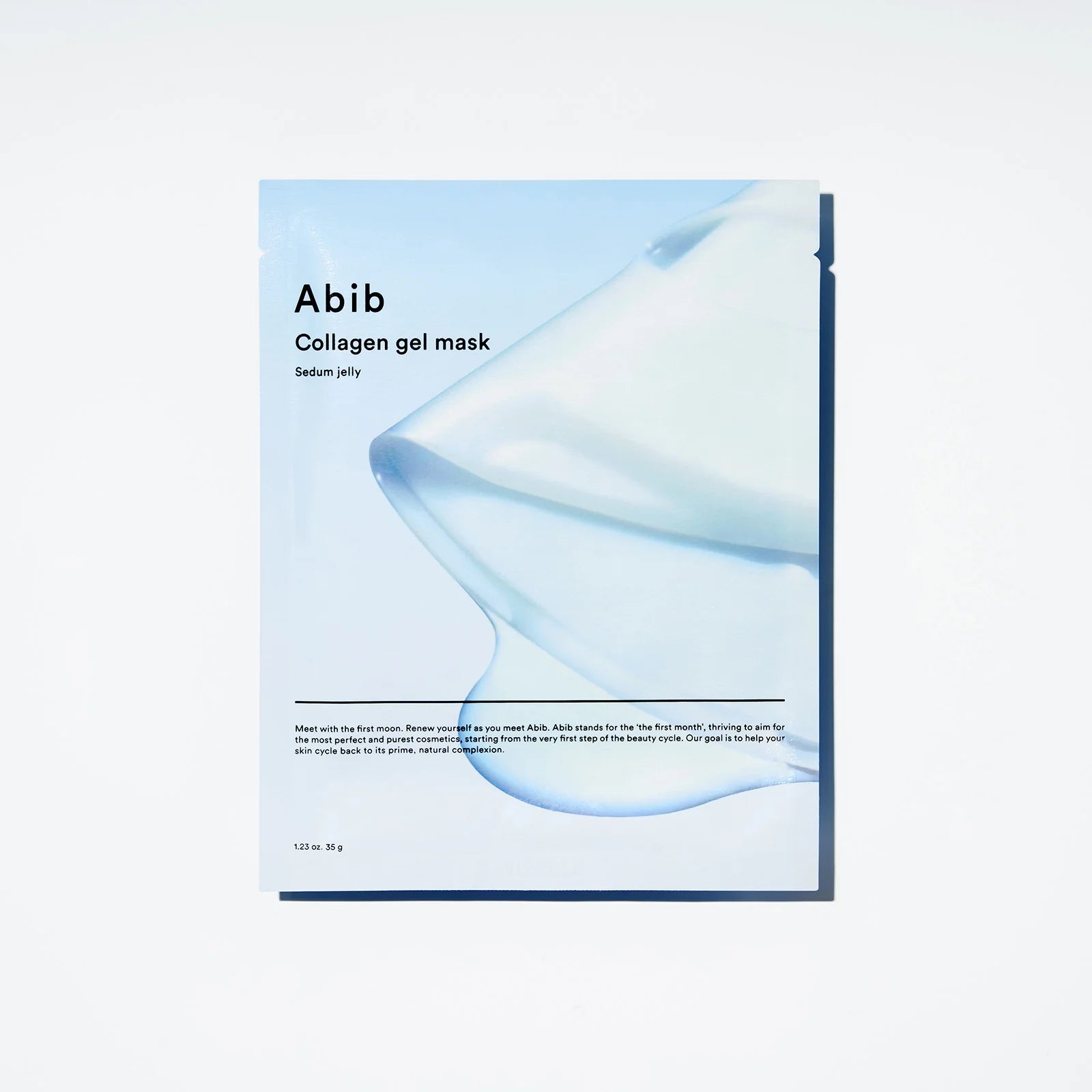
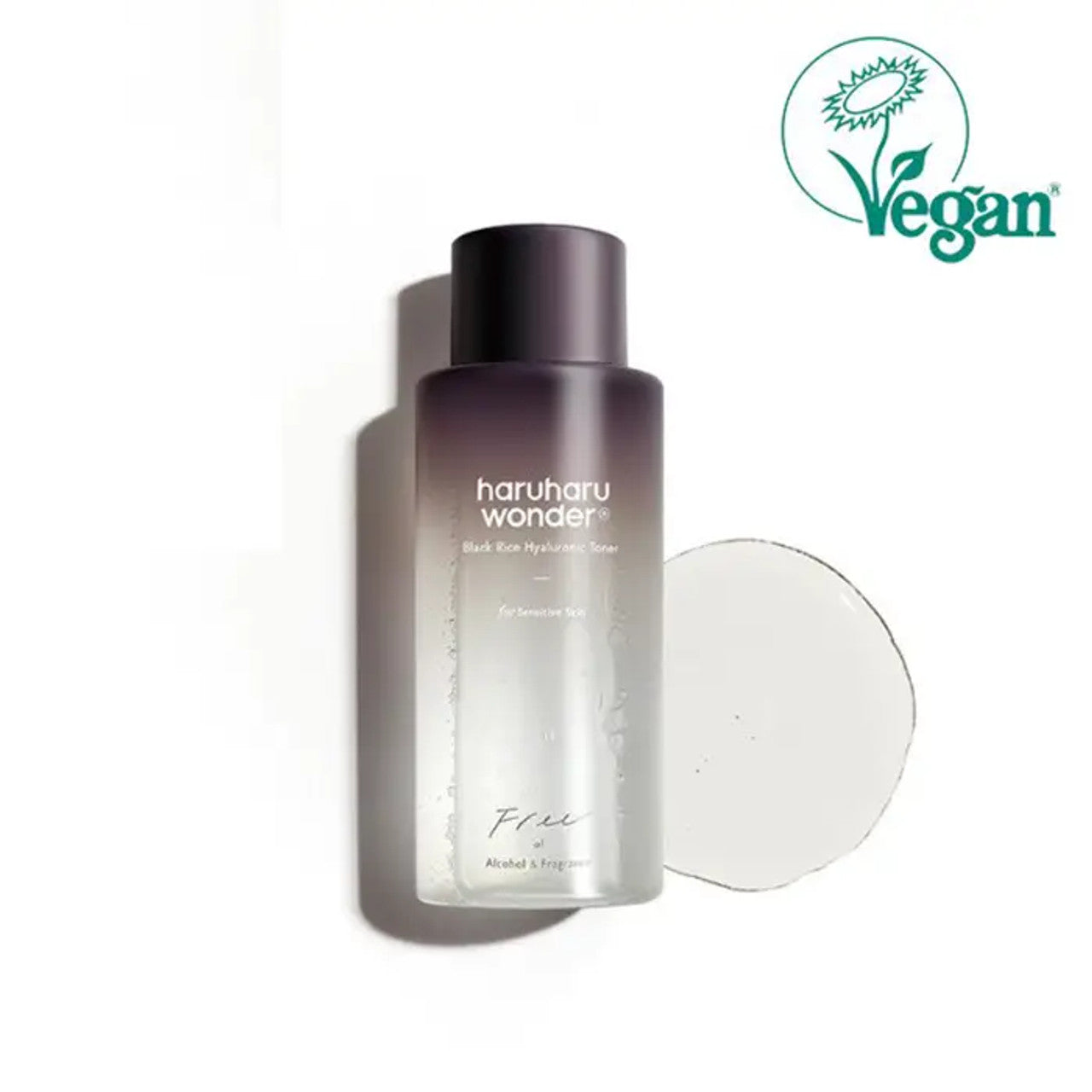
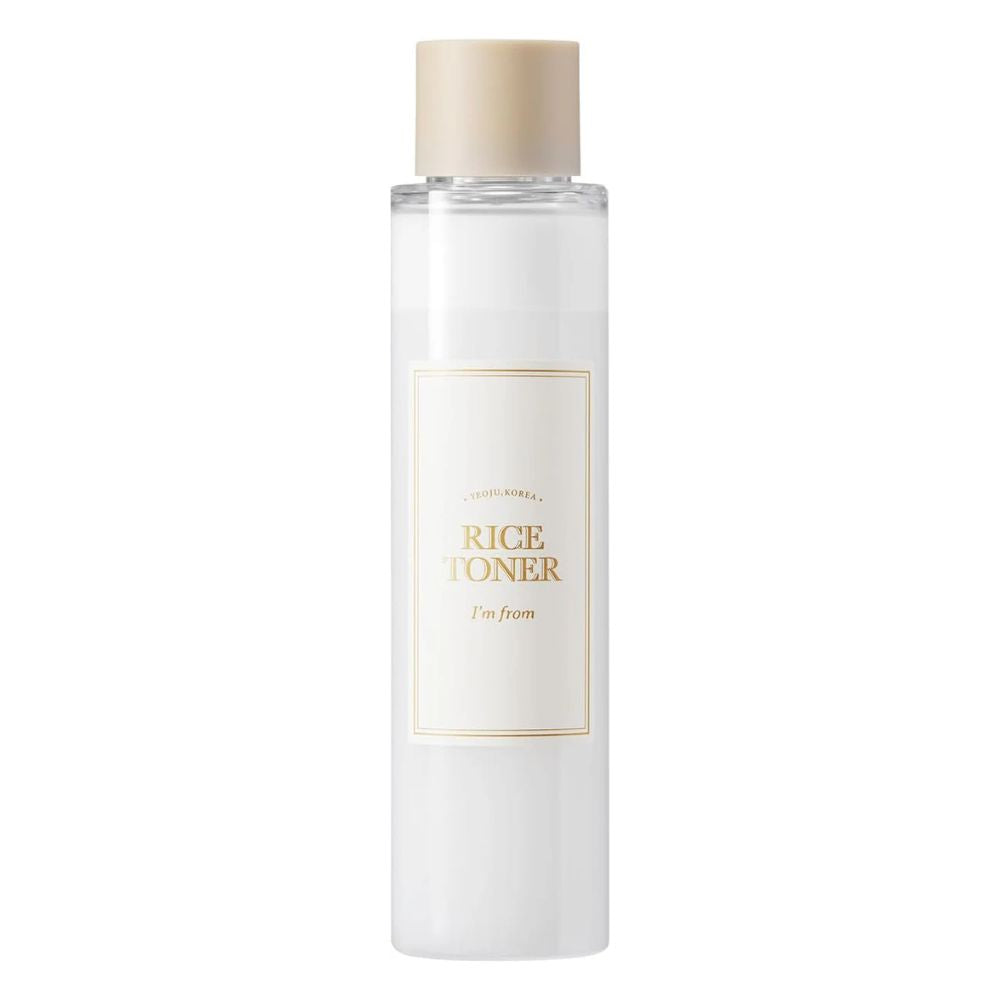
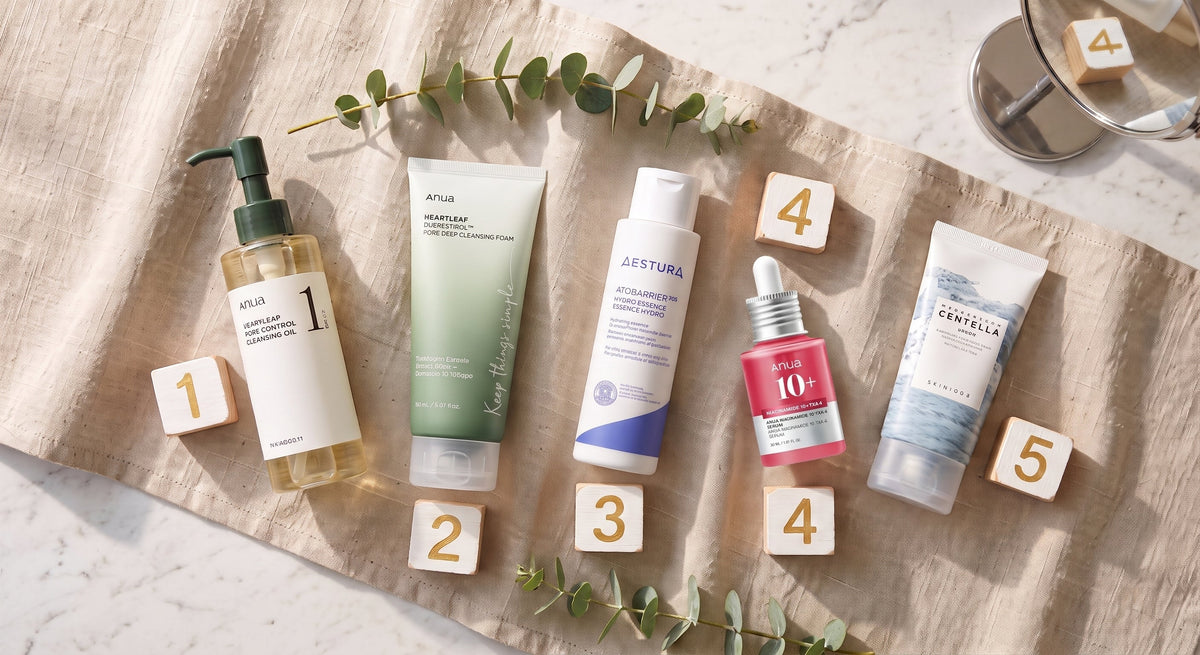
It is a popular approach to Korean skincare that involves layering different products, usually from the lightest textures to the heaviest. The traditional routine includes oil cleansing, water-based cleansing, exfoliation, toner, essence, serum, sheet masks, eye cream, moisturizer, and sunscreen.
Each step has a different purpose, but that does not mean every step is necessary for every person.
An oil cleanser, for example, can help remove sunscreen, makeup, and oil before your regular cleanser. A water-based cleanser then removes sweat and remaining residue from the skin.
Exfoliation is generally an occasional step rather than something you need to do every day. Toners and essences can add hydration, while serums are usually chosen according to a particular skin concern.
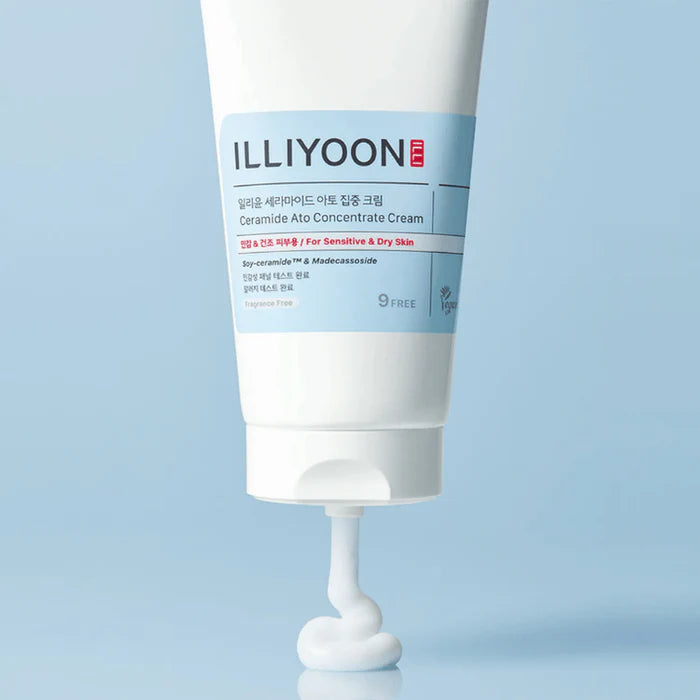
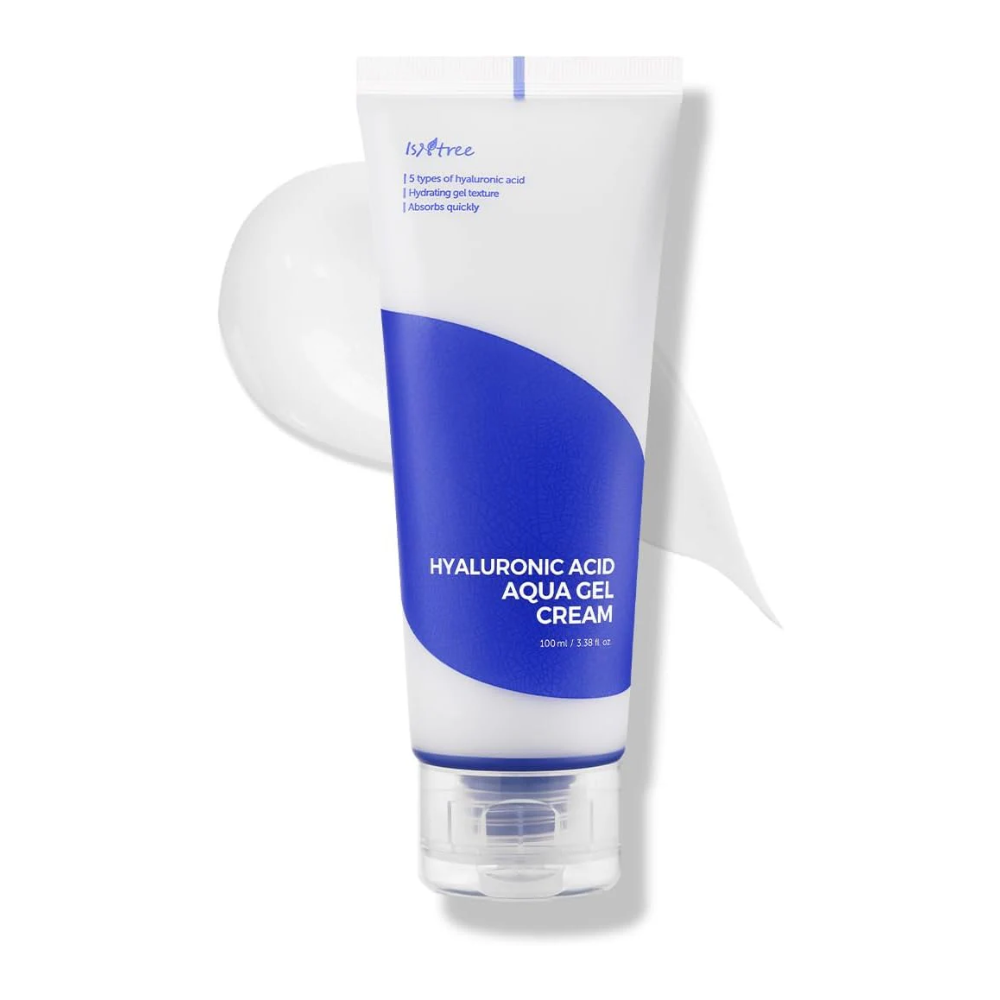
Moisturizer helps keep the skin comfortable and hydrated, while sunscreen is the essential daytime protection step.
The important part is understanding what each product is doing rather than adding a product simply because it appears in a 10-step routine.
So, Do You Actually Need All 10 Steps?
The short answer is no.
A longer routine is not automatically a better routine. In fact, adding products that your skin does not need can make your routine harder to maintain and, in some cases, increase the chance of irritation.
The most important parts of a skincare routine are cleansing, moisturizing, and protecting your skin from UV exposure. These give you a foundation that you can build on when you have a specific reason to add another product.
For example, if you wear sunscreen or makeup during the day, an oil cleanser can be useful in your evening routine.
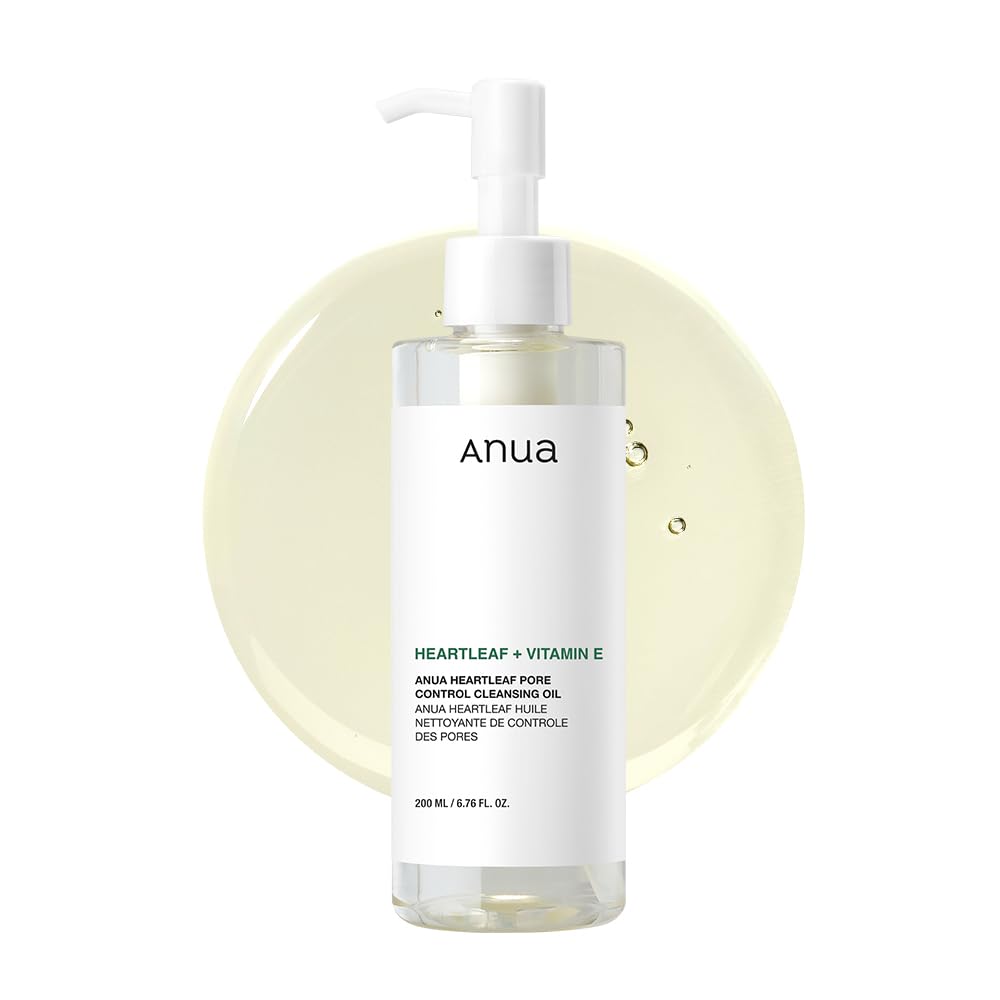
We offer the Anua Heartleaf Pore Control Cleansing Oil, which can be used as the first step of a double-cleansing routine when you need to remove sunscreen, makeup, or excess oil.
If your skin does not need double cleansing, there is no reason to force it into your routine simply because it is part of the traditional 10-step approach.
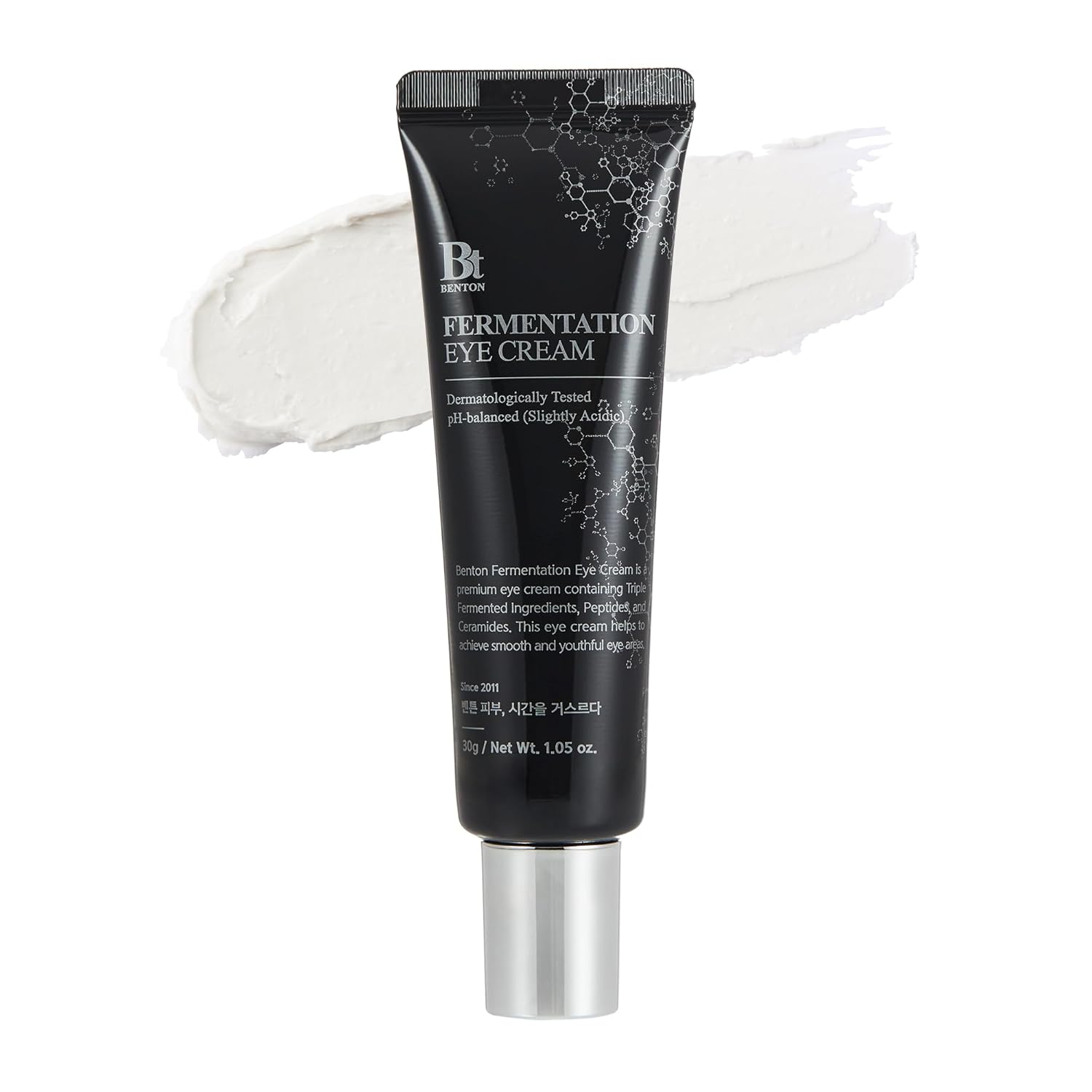
The same applies to toner, essence, eye cream, and sheet masks. They can be useful additions, but they are not essential for everyone.
When a 10-Step Routine May Be Too Much
There is another reason not to chase a specific number of products: your skin may not respond well to too much layering.
Using several active ingredients at once can increase the possibility of irritation, particularly when products contain exfoliating acids, retinoids, or other strong treatments.
Too much exfoliation can also leave skin feeling dry, tight, or uncomfortable. And when you introduce several new products at the same time, it becomes difficult to figure out which one is responsible if your skin reacts.
If your routine is becoming difficult to follow or your skin is becoming irritated, adding another product is probably not the solution.
Sometimes, removing a few steps makes more sense.
A 5-Step Korean Skincare Routine May Be All You Need
If ten steps feel like too much, a 5-step Korean skincare routine can be a much simpler place to start.
You could begin with a cleanser, followed by a toner or essence, then use a serum or treatment, moisturizer, and sunscreen in the morning.
Even this is not a fixed formula.
If you do not need a toner, you can skip it. If your moisturizer already provides enough hydration, you may not need several additional hydrating products underneath it.
For people who prefer having products selected for them, Sooyuskin also offers the SKIN1004, Anua & Medicube Sensitive Skin Recovery Kit, which brings together five products for a simplified routine.
The idea is not to reach five products instead of ten. It is to use the number of products that makes sense for your skin.
How to Choose the Right Number of Steps for Your Skin
Instead of asking, "How many products should I use?", a better question is, "What does my skin need?"
If your skin feels dry or dehydrated, an additional hydrating step may be useful. A toner or essence can provide another lightweight layer of hydration before your moisturizer.
If your skin is oily, adding more products will not necessarily improve it. You may find that a straightforward routine with appropriate cleansing, treatment, moisturizer, and sunscreen is easier to manage.
If your skin is sensitive, keeping your routine simple can also make it easier to identify products that cause irritation. Instead of introducing several new products together, add one at a time and give your skin an opportunity to adjust.
And if you have a particular concern, look for one targeted treatment rather than adding several products that promise similar results.
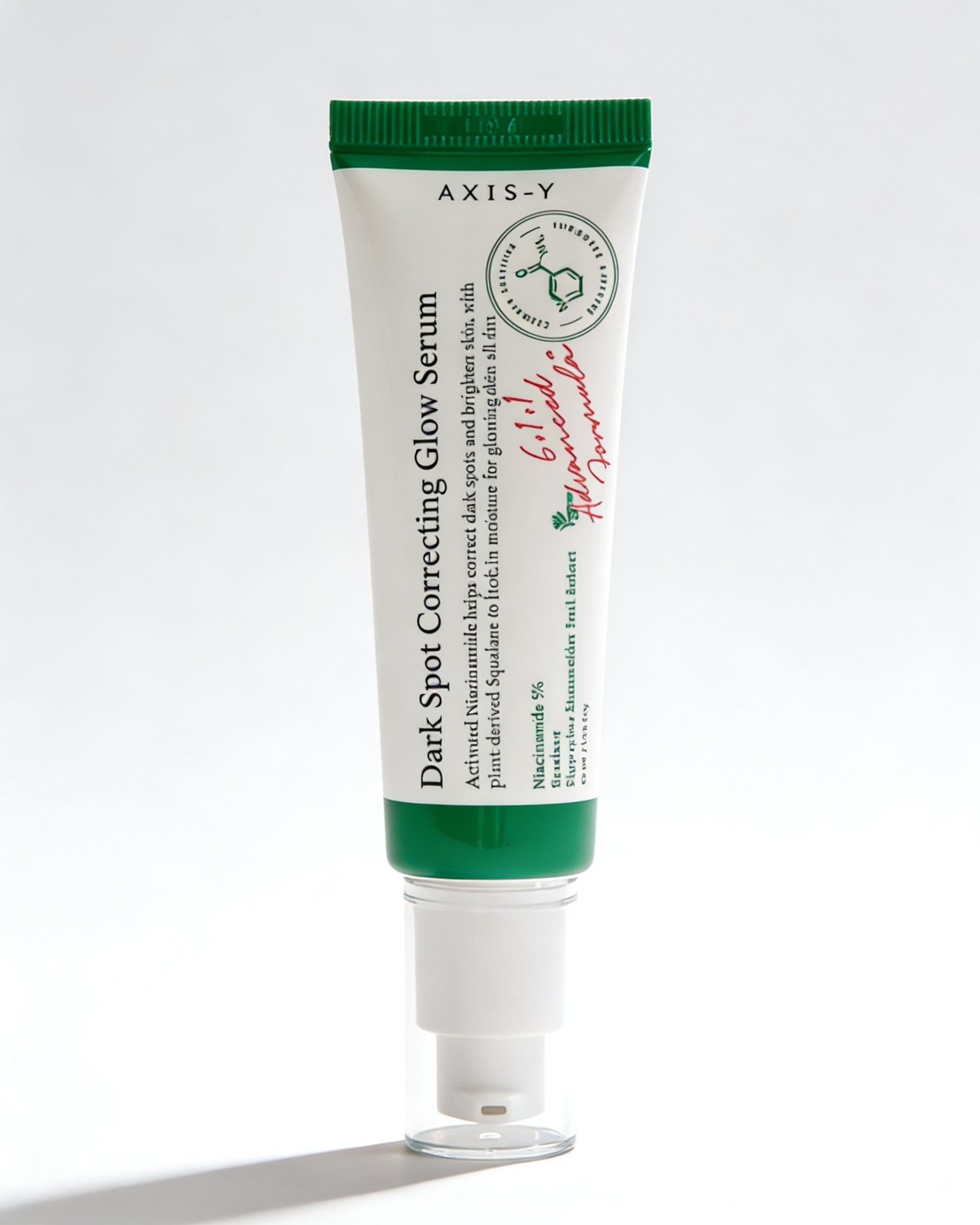
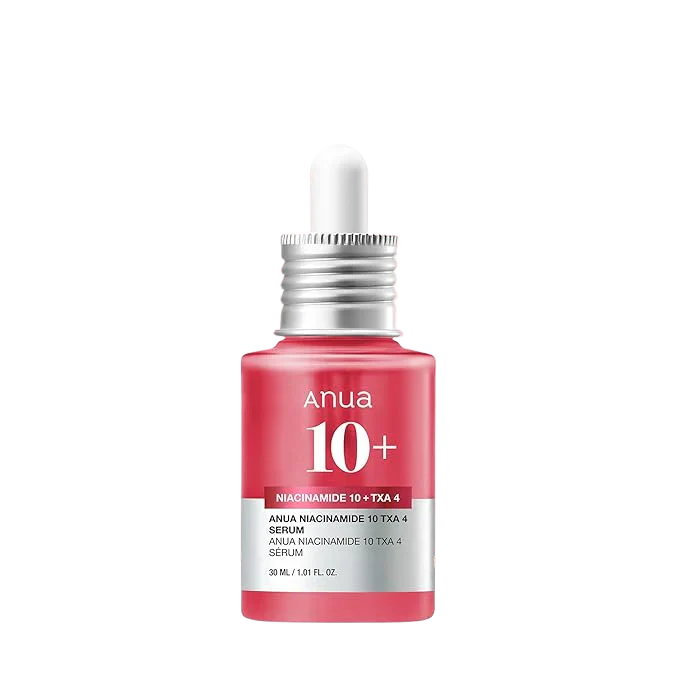
For example, someone focusing on the appearance of dark spots may choose a targeted serum such as the Anua Niacinamide 10% + TXA 4% Dark Spot Correcting Serum rather than layering several different brightening products.
The number of steps should follow the concern, not the other way around.
The Best Korean Skincare Routine Is the One Your Skin Needs
A Korean skincare routine does not have to contain ten steps to be considered Korean skincare.
Three steps, five steps, or ten steps can all work. More products do not automatically mean better skin.
The traditional 10-step routine can be useful because it introduces you to different product categories and gives you plenty of options for customizing your routine. But you do not have to use every category.
Start with the basics, identify what your skin actually needs, and add products gradually when there is a reason to do so.
And if you enjoy a longer routine, there is nothing wrong with that either. The point is to make those additional steps useful rather than treating them as requirements.
Sooyuskin offers a range of Korean skincare products and sets that can help you build a routine around your specific needs, whether you are looking for a simple routine or want to explore more of the Korean skincare approach.
Frequently Asked Questions
Do you need all 10 steps of Korean skincare?
No. The 10-step Korean skincare routine is a flexible approach rather than a requirement. You can build an effective routine with fewer products based on your skin's needs.
What is the 10-step Korean skincare routine?
The 10-step Korean skincare routine is a skincare approach that traditionally includes oil cleanser, water-based cleanser, exfoliator, toner, essence, serum, sheet mask, eye cream, moisturizer, and sunscreen. Not every step needs to be used every day.
Is a 5-step Korean skincare routine enough?
Yes. A five-step routine can include cleanser, toner or essence, serum or treatment, moisturizer, and sunscreen. You can also use fewer steps if your skin does not need all five.
How many steps should a Korean skincare routine have?
There is no required number. The right routine depends on your skin type, concerns, products, and how your skin responds to them.
Can too many skincare products damage your skin barrier?
Using multiple skincare products does not automatically damage the skin barrier, but excessive cleansing, exfoliation, or use of multiple active ingredients can contribute to irritation and barrier stress.
Do you have to do Korean skincare every day?
Some parts of a Korean skincare routine, such as cleansing, moisturizing, and daytime sun protection, are generally used regularly. Other steps, including exfoliation and sheet masks, may only be needed occasionally.