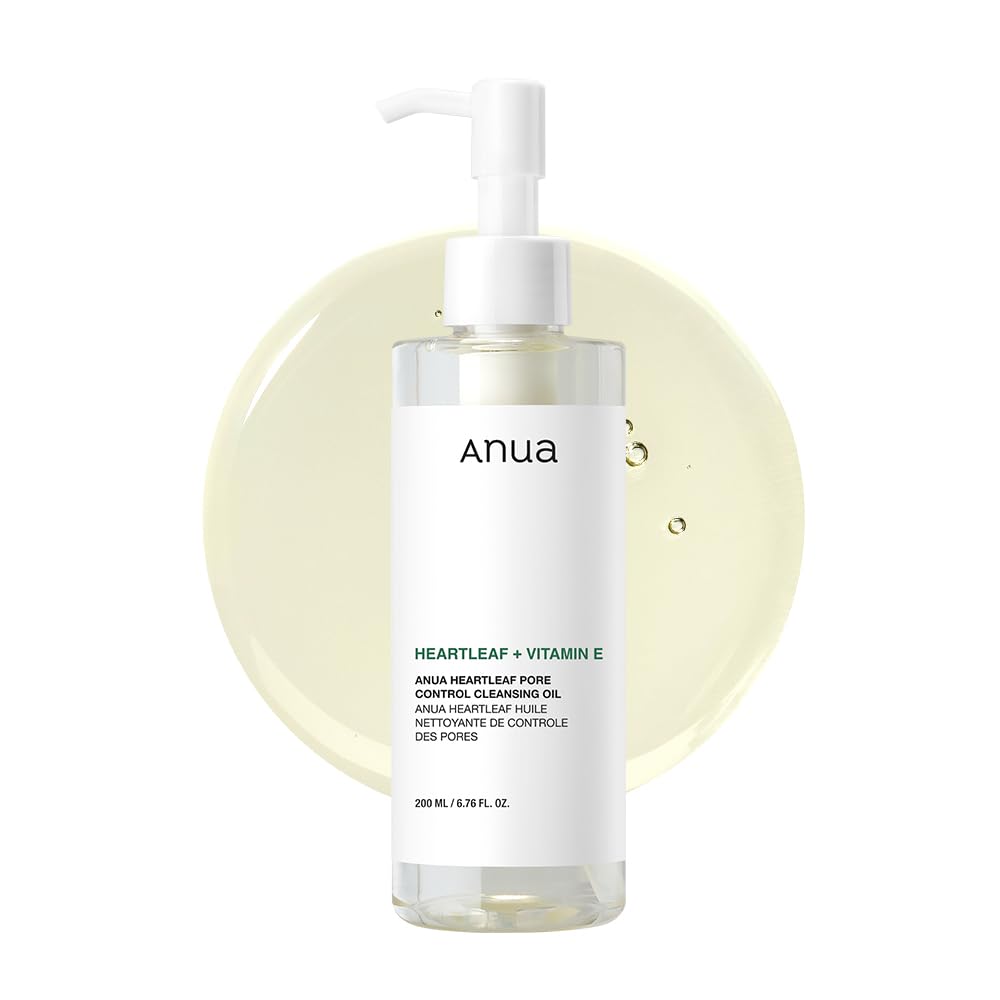
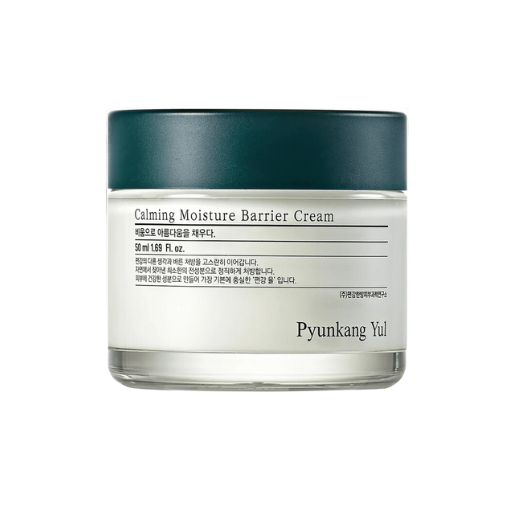
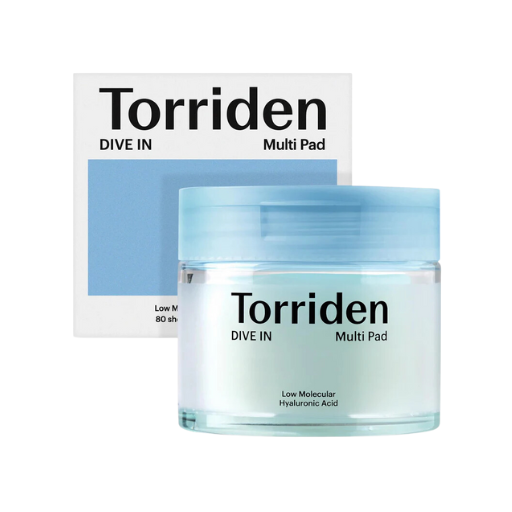
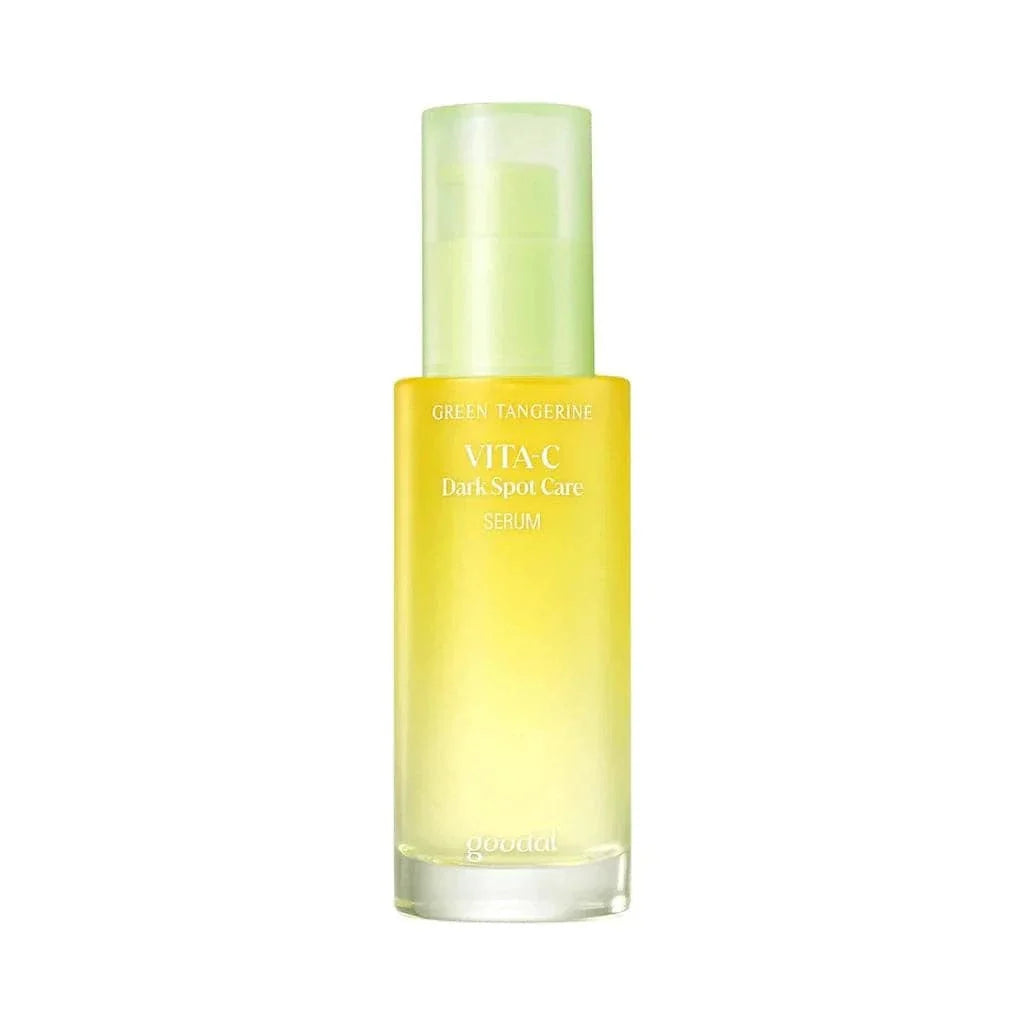
Your summer skincare routine was not necessarily wrong. As the weather becomes cooler and drier, the same products may simply start feeling different on your skin.
You may notice tightness after cleansing, dry patches, rough texture, or increased sensitivity even if the products you use have worked well for months.
That does not mean you need to replace your entire routine.
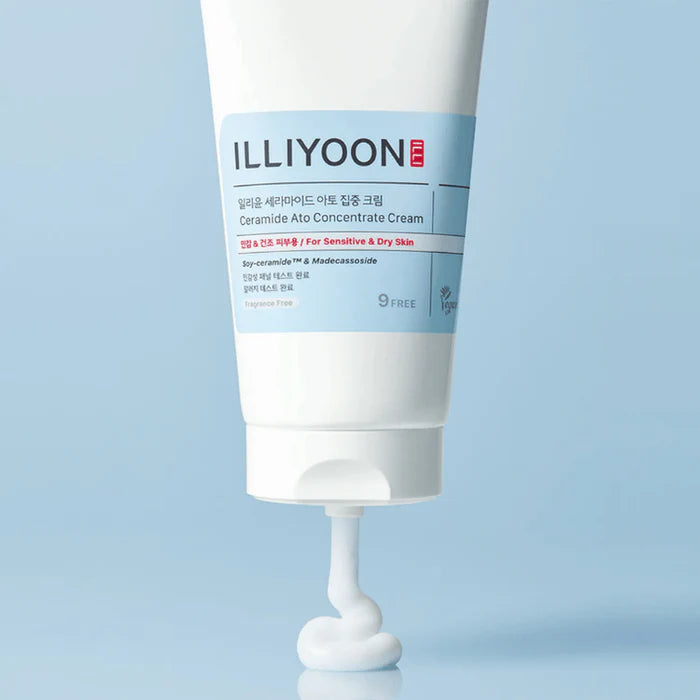
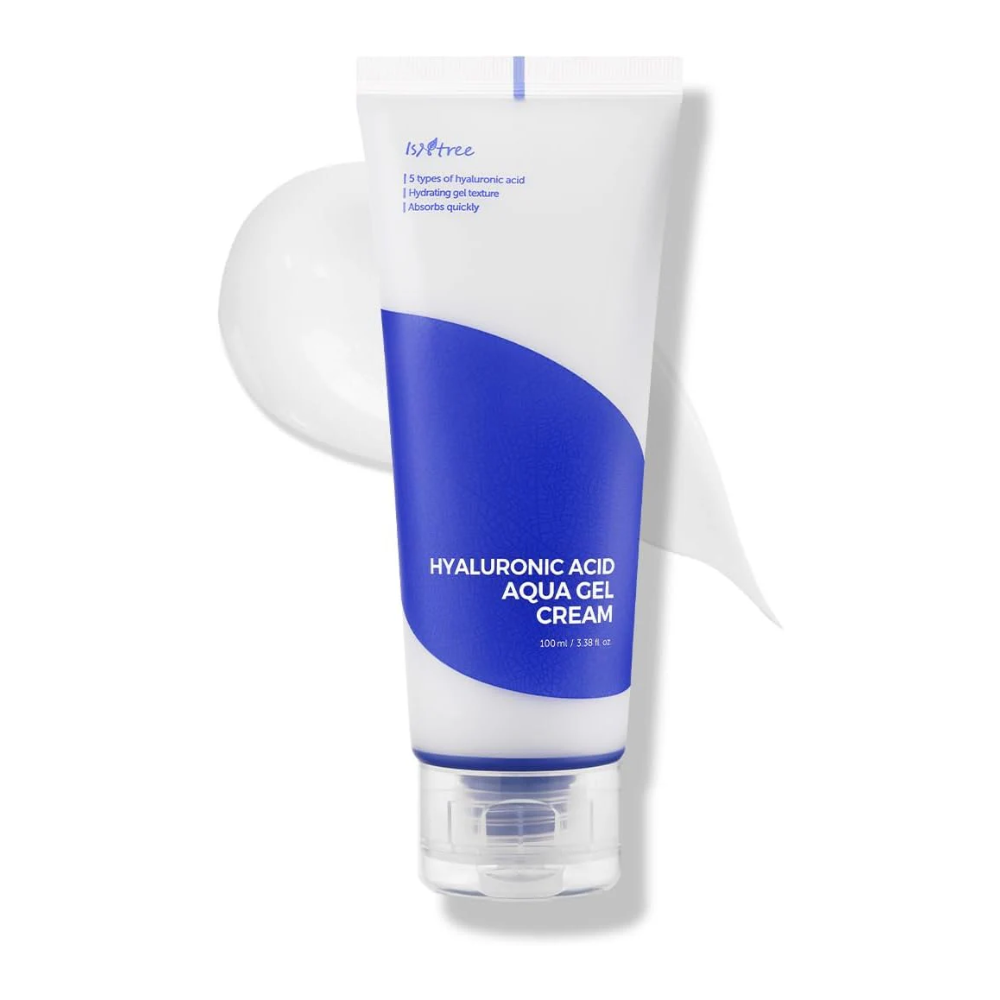
A better approach is to first pay attention to what has changed in your skin, then adjust only the steps that are no longer working. Your autumn skincare routine may end up looking very similar to your summer routine, with just one or two small changes.
Why Does Your Skin Feel Different in Fall?
The transition from summer to fall can change the environment around your skin. Humidity often decreases as temperatures drop, while cooler air and wind can contribute to moisture loss. Spending more time indoors with heating can also make the air around you drier.
As a result, some people experience:
- Tightness after cleansing
- Dry or flaky patches
- Rougher skin texture
- Increased sensitivity
- Dehydration
- More noticeable fine lines caused by dryness
However, seasonal changes do not affect everyone in the same way. Someone with dry skin may need more moisture, while someone with oily skin may continue producing plenty of oil but still experience dehydration.
This is why there is no single fall skincare routine that works for everyone.
Instead of changing products because it is autumn, look at what your skin is telling you.
What Is Your Skin Telling You?
If your skin feels tight immediately after cleansing, your cleanser may be removing more moisture than your skin currently needs. Before adding several hydrating products, check whether changing your cleansing routine is enough.
If your skin becomes dry later in the day, your current hydration may not be lasting long enough. You could try using a more hydrating serum or essence, or simply increase the amount of moisturizer you use.
If your cheeks feel dry while your T-zone remains oily, you do not necessarily need to switch to a heavy moisturizer everywhere. Combination skin often benefits from using different amounts of the same product on different areas.
If products that normally feel comfortable suddenly sting, your skin may be more sensitive or irritated. Take a closer look at strong active ingredients, exfoliation, and cleansing before introducing anything new.
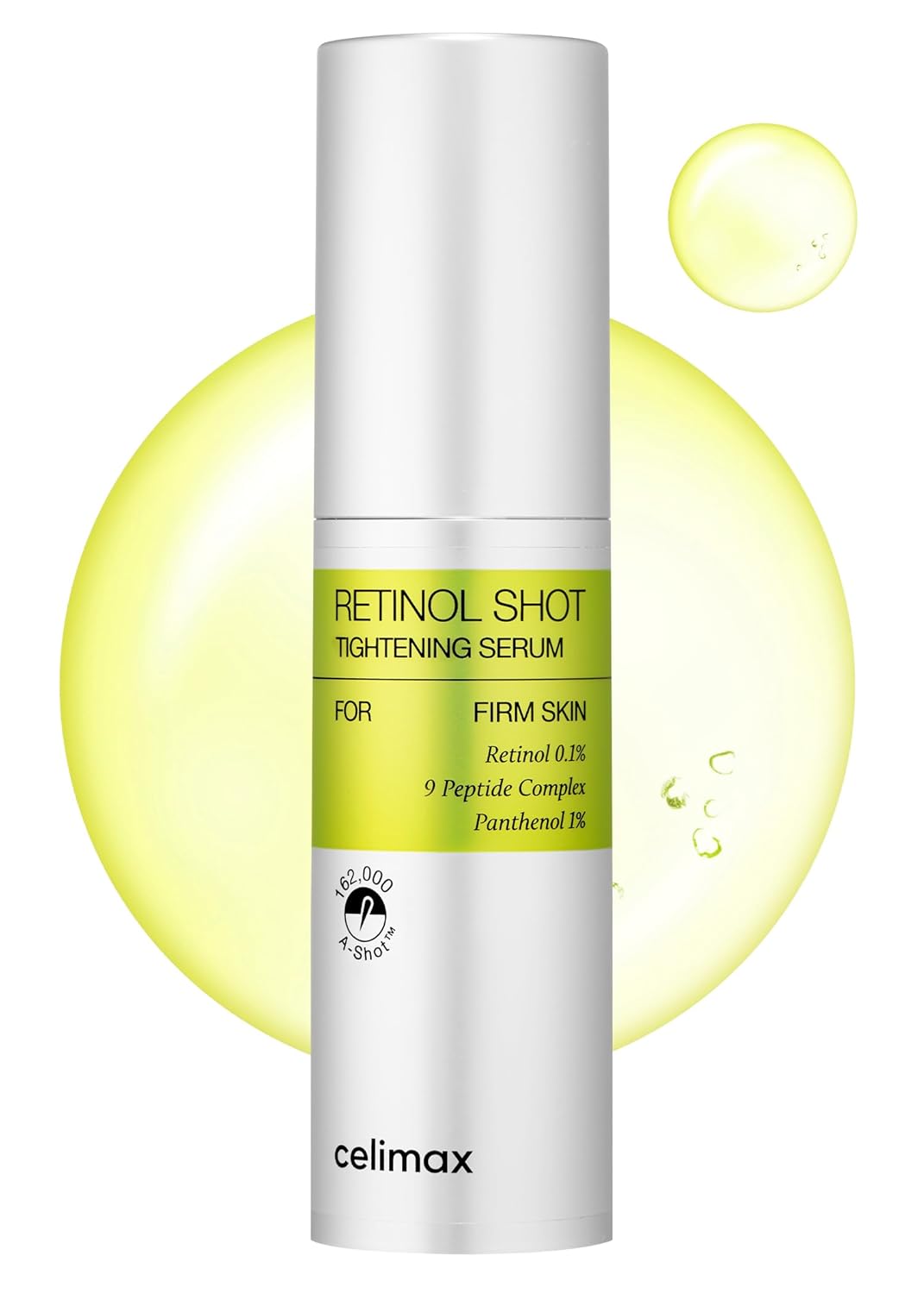
Flaking after using acids or retinoids can also be a sign that your current treatment schedule is too irritating for your skin at the moment. Reducing frequency may be more useful than adding another product.
And if your skin still feels comfortable, looks balanced, and responds well to your current routine, there may be nothing you need to change.
The goal is not to create a more complicated routine for fall. The goal is to keep your skin comfortable and supported.
How to Adjust Your Routine Without Starting Over
1. Cleansing
Cleansing is one of the first steps worth checking when the weather becomes drier.
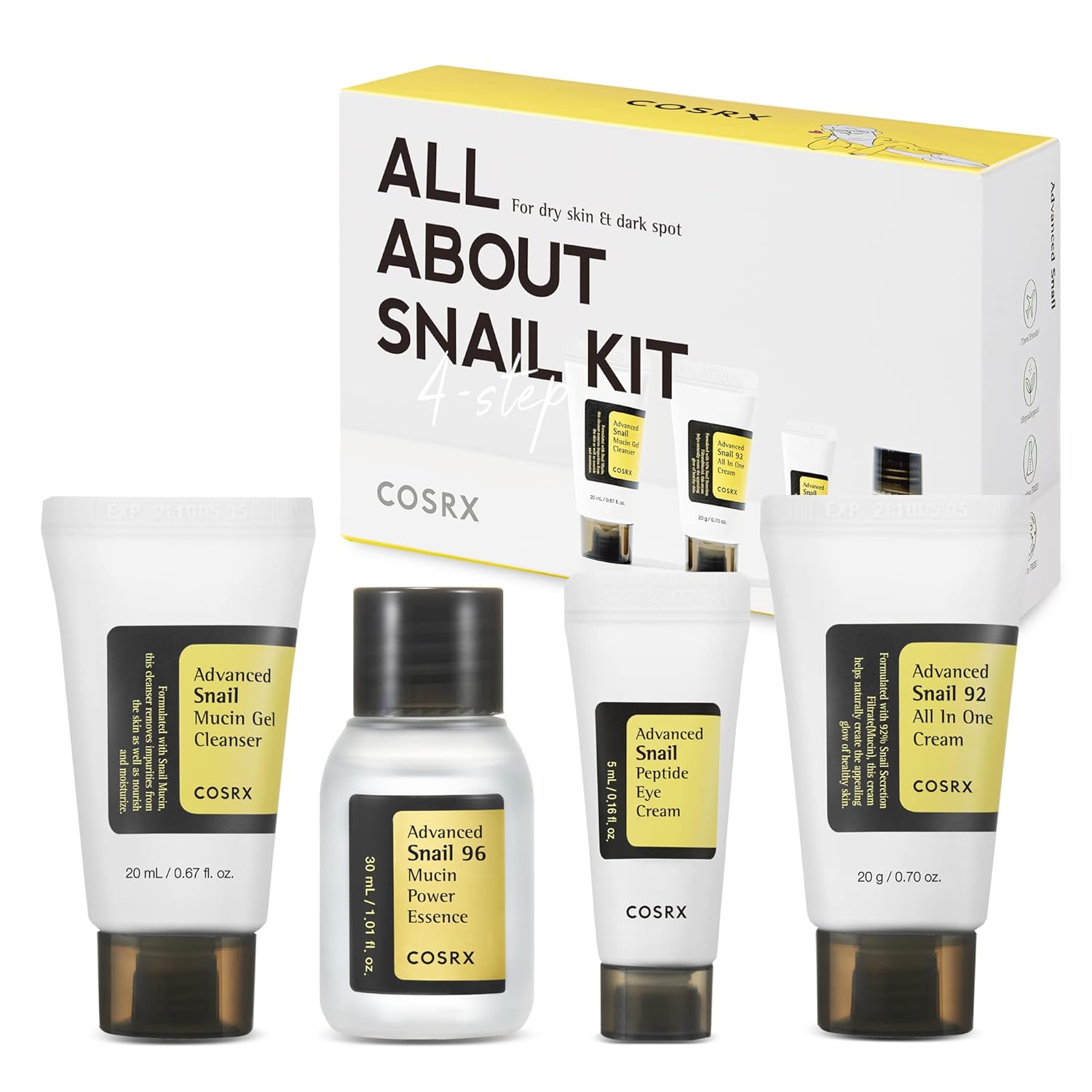
If your face feels tight or uncomfortable after washing, consider whether your cleanser is too drying. You may need to use a gentler cleanser, cleanse less frequently, or simply avoid washing your face with unnecessarily hot water.
Do not assume that a stronger feeling of cleanliness means your skin is cleaner. If cleansing consistently leaves your skin tight, it may be time to adjust this step.
2. Add Hydration Only If You Need It
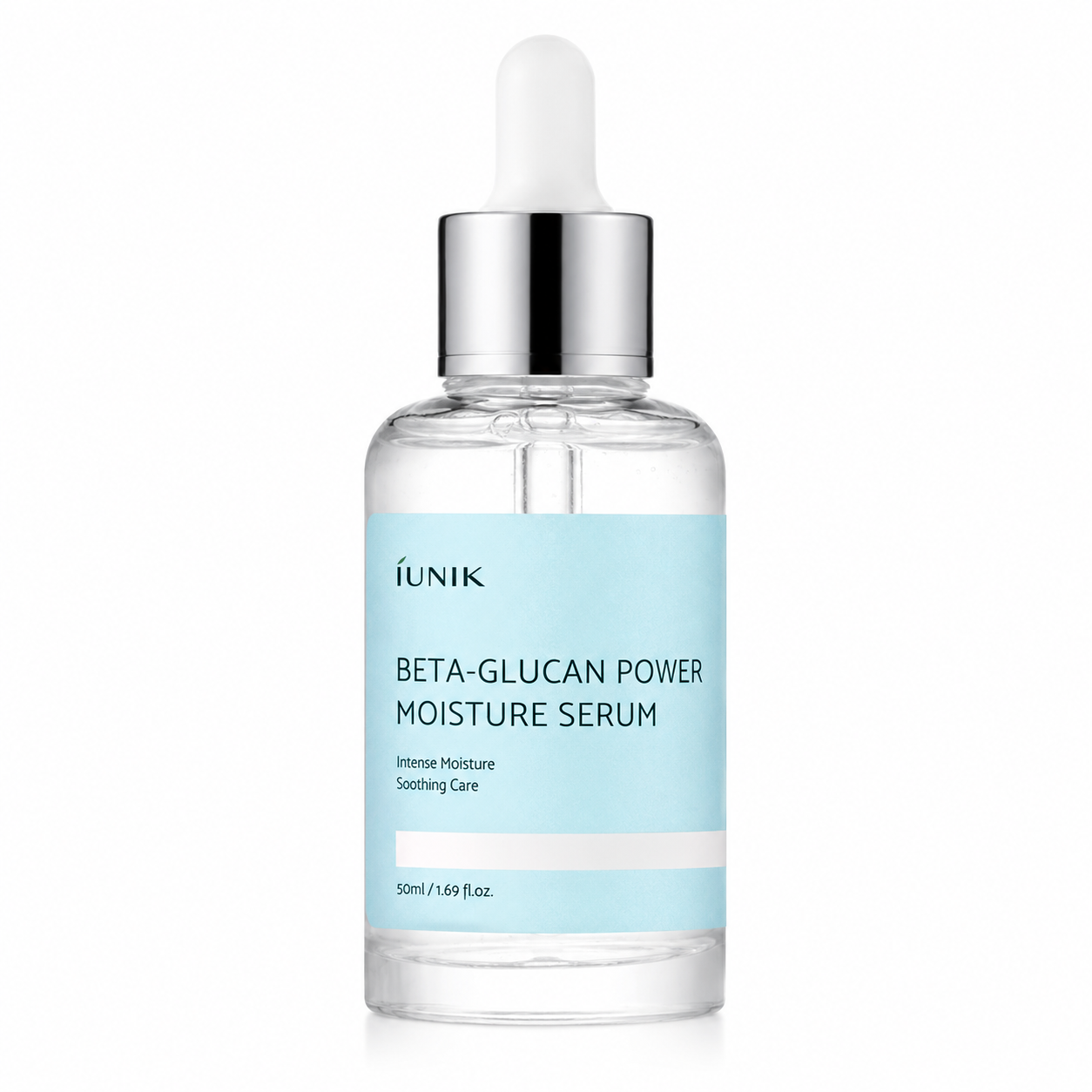
If your skin starts feeling dehydrated in fall, adding a hydrating step can be useful.
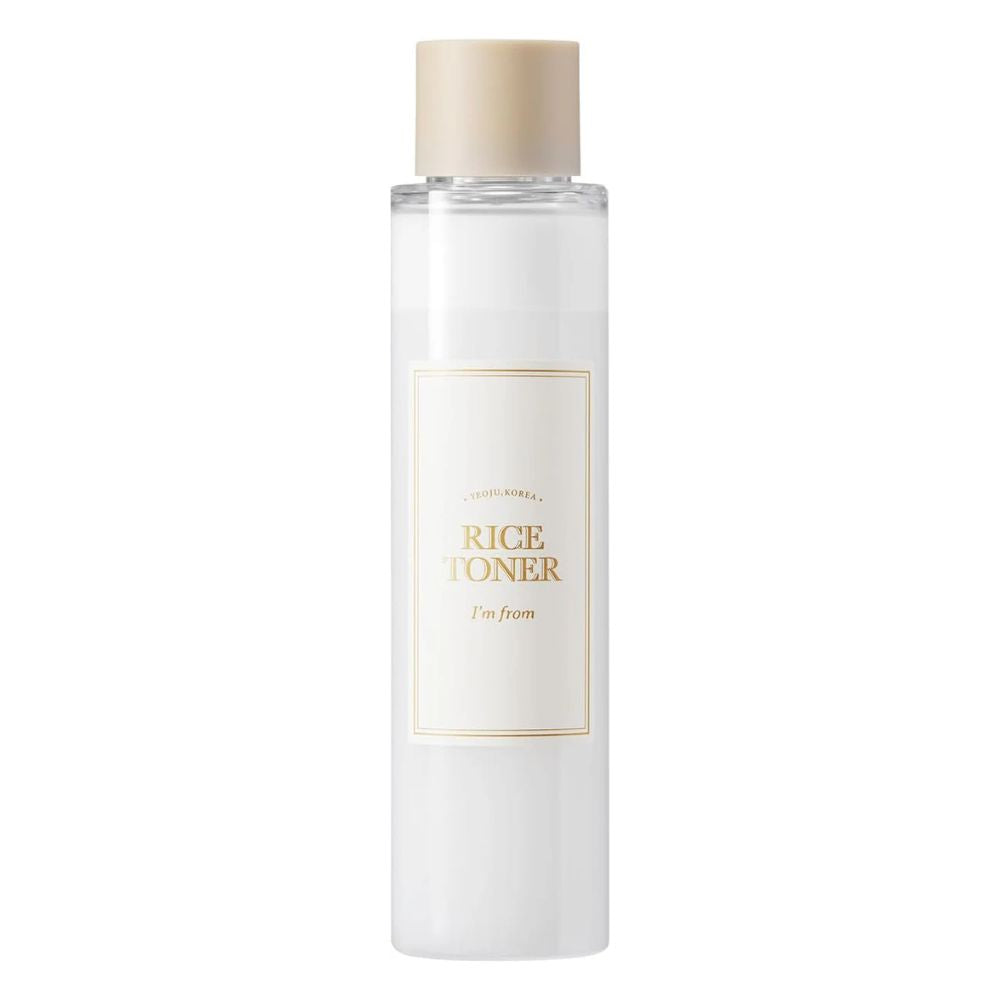
This could be a toner, essence, or serum containing humectants and other skin-supporting ingredients. You do not need several layers simply because the season has changed.
A hydrating toner or essence can add another layer of moisture before moisturizer, particularly when your existing moisturizer no longer feels sufficient.
If your skin already feels comfortable after cleansing and moisturizing, there is no need to add another layer just for the sake of following a seasonal routine.
3. Adjust Your Moisturizer Before Adding More Products
Sometimes the simplest change is enough.
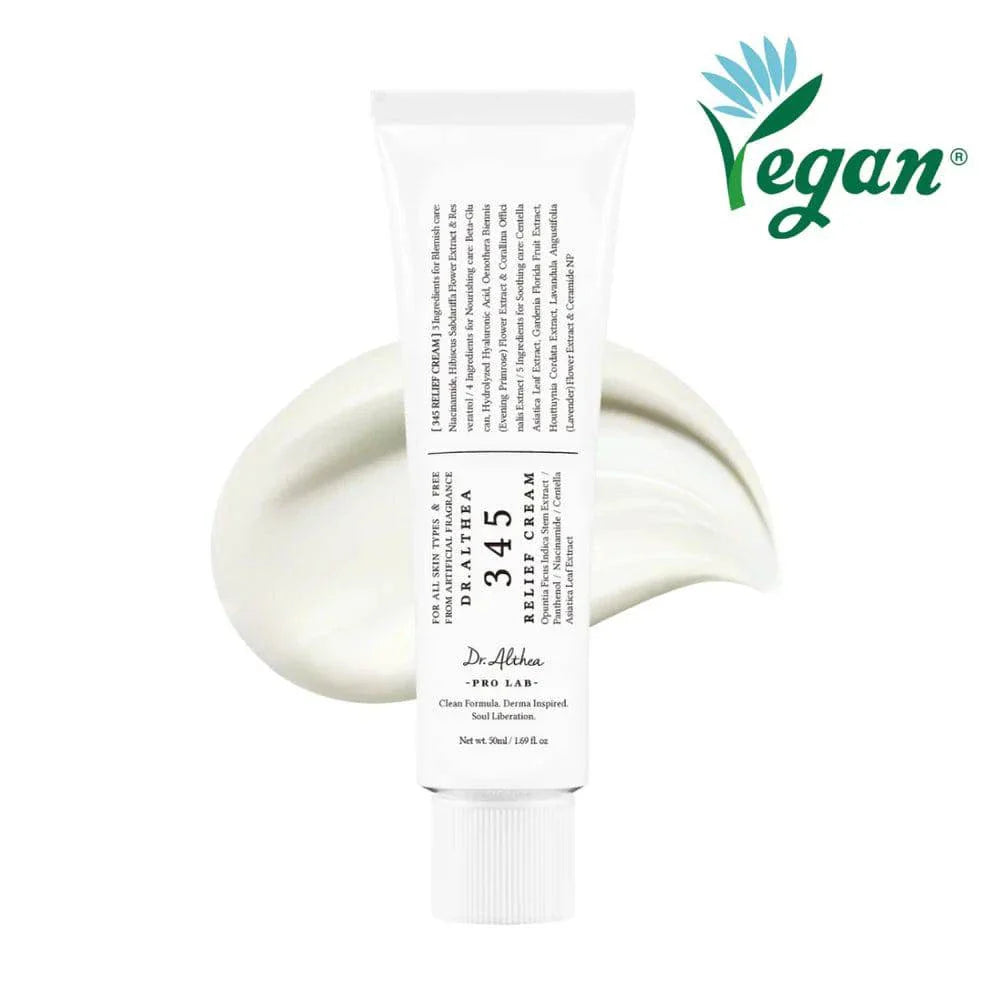
If your lightweight summer moisturizer no longer keeps your skin comfortable throughout the day, try increasing the amount slightly or moving to a somewhat richer texture.
This does not mean everyone needs a thick cream in fall. Oily and combination skin can still become dehydrated, and very heavy products may feel uncomfortable or contribute to congestion for some people.
4. Keep Sunscreen in Your Morning Routine
A change in temperature does not mean sunscreen is no longer necessary.
UV exposure continues throughout the year, so sunscreen should remain the final step of your morning skincare routine when you are using a daytime routine.
Choose a sunscreen that you are comfortable applying consistently and follow its directions for application and reapplication.
How to Adjust Fall Skincare for Your Skin Type
Dry Skin
Dry skin may need more hydration and a richer moisturizer as temperatures and humidity decrease.
Pay particular attention to how your skin feels after cleansing and throughout the day. If your skin becomes tight or flaky, adjusting your moisturizer or adding one hydrating layer may be enough.
Avoid assuming that every dry patch requires exfoliation. Flaking skin can sometimes be a sign that your skin needs more gentle care rather than more exfoliation.
Oily Skin
Oily skin can still become dehydrated during fall.
If your face feels tight while becoming oily later, focus on lightweight hydration rather than immediately switching to a heavy cream.
Continue using products that help control excess oil if they work well for you, but pay attention to signs that your routine is becoming too drying.
Combination Skin
Combination skin may require different levels of moisture in different areas.
Your cheeks may benefit from a little more moisturizer while your T-zone needs less. You do not necessarily need separate products for each area.
Start by adjusting the amount and texture of the products you already use.
Sensitive Skin
If your skin becomes more sensitive during the transition, keep your routine simple.
Focus on gentle cleansing, hydration, moisturizer, and sunscreen. If acids, retinoids, or other active products start causing discomfort, consider reducing their frequency until your skin feels comfortable again.
Avoid introducing several new products at once.
Fall Skincare Mistakes to Avoid
One of the most common mistakes is replacing your entire routine as soon as the weather changes. If your current products are working, there is no reason to replace them simply because it is fall.
If your skin becomes dry, check your cleanser before adding several new hydrating products. Your cleanser may be contributing to the problem.
Avoid scrubbing flaky skin in an attempt to make it smooth. Excessive physical exfoliation can make irritation worse.
Another useful rule is to avoid adding several new products together. Introduce changes gradually so you can see how your skin responds.
And do not stop using sunscreen simply because temperatures are lower.
Finally, do not change a routine that is already working well. Seasonal skincare should respond to your skin rather than forcing your skin to follow a seasonal checklist.
FAQs
Do I need to change my skincare routine in fall?
Not necessarily. If your skin remains comfortable and your current products continue to work, you can keep your summer routine. Change only the steps that no longer meet your skin's needs.
When should I switch from my summer skincare routine?
There is no specific date when you need to switch. Start adjusting your routine when you notice changes such as increased tightness, dryness, flaking, roughness, or sensitivity.
Should I use a heavier moisturizer in fall?
Only if your skin needs it. Dry skin may benefit from a richer moisturizer, while oily and combination skin may prefer a lightweight formula with additional hydration.
Can oily skin become dehydrated in fall?
Yes. Oiliness and hydration are different concerns. Oily skin can still lose water and feel tight or uncomfortable, particularly when the weather becomes colder and drier.
Should I exfoliate less during fall?
If your skin becomes dry, irritated, or sensitive, reducing exfoliation may help. However, there is no universal rule that everyone needs to exfoliate less during fall.
Can I still use retinol in fall?
Yes, if your skin tolerates it. If you notice increased dryness, irritation, or flaking, consider reducing how frequently you use it rather than continuing at the same schedule.
Do I still need sunscreen during fall?
Yes. Sunscreen remains an important part of a morning skincare routine throughout the year. Apply it according to the product's directions.