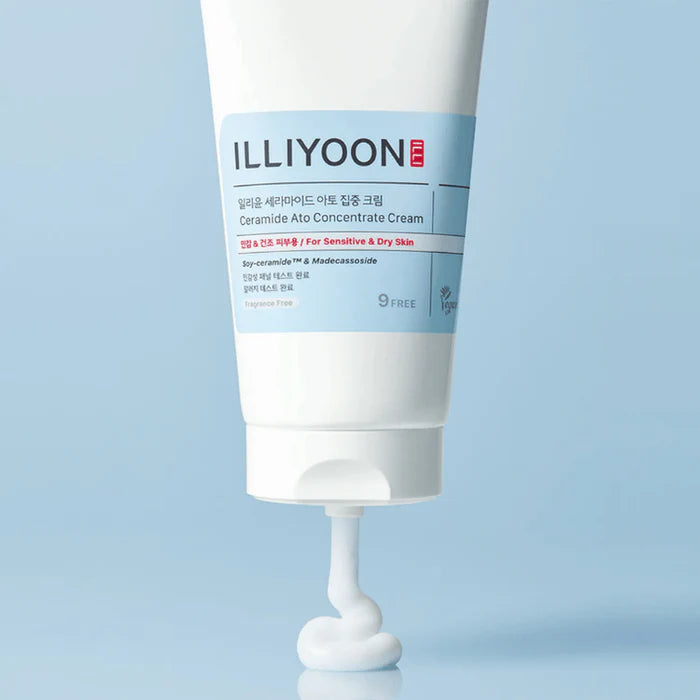
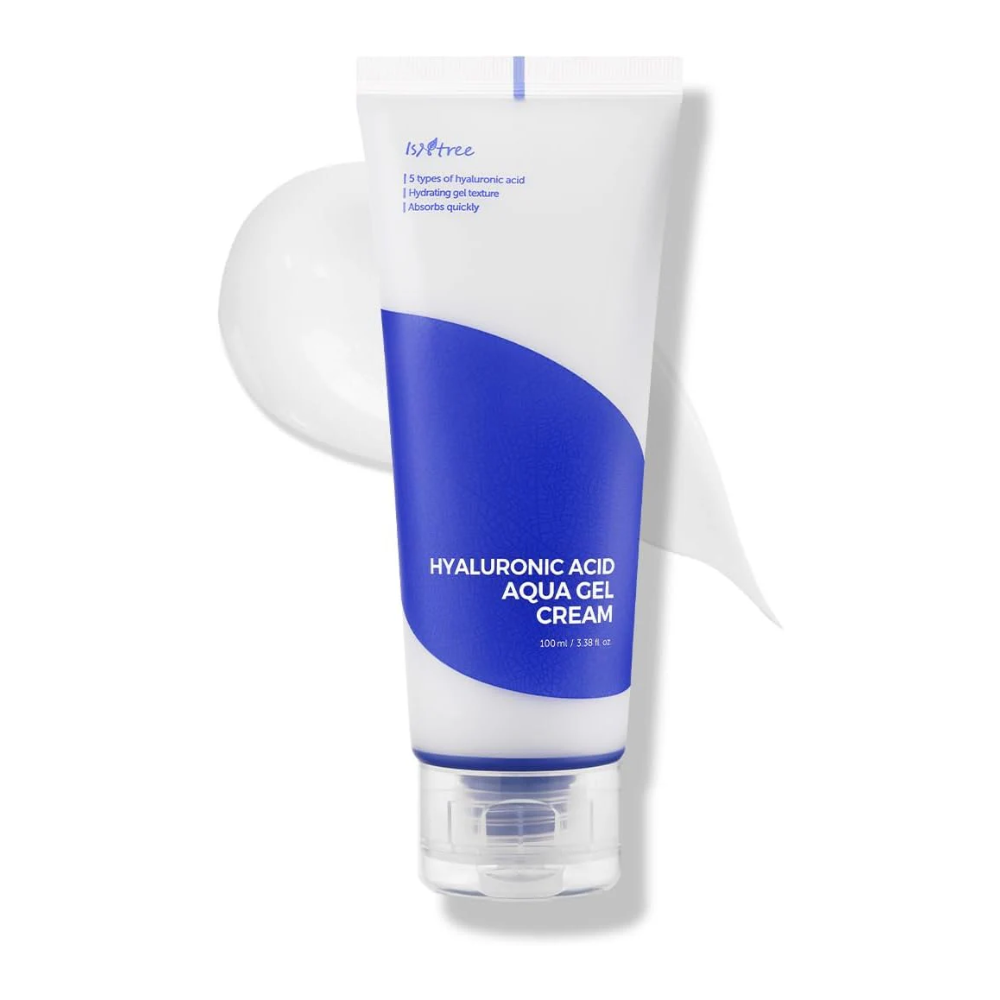
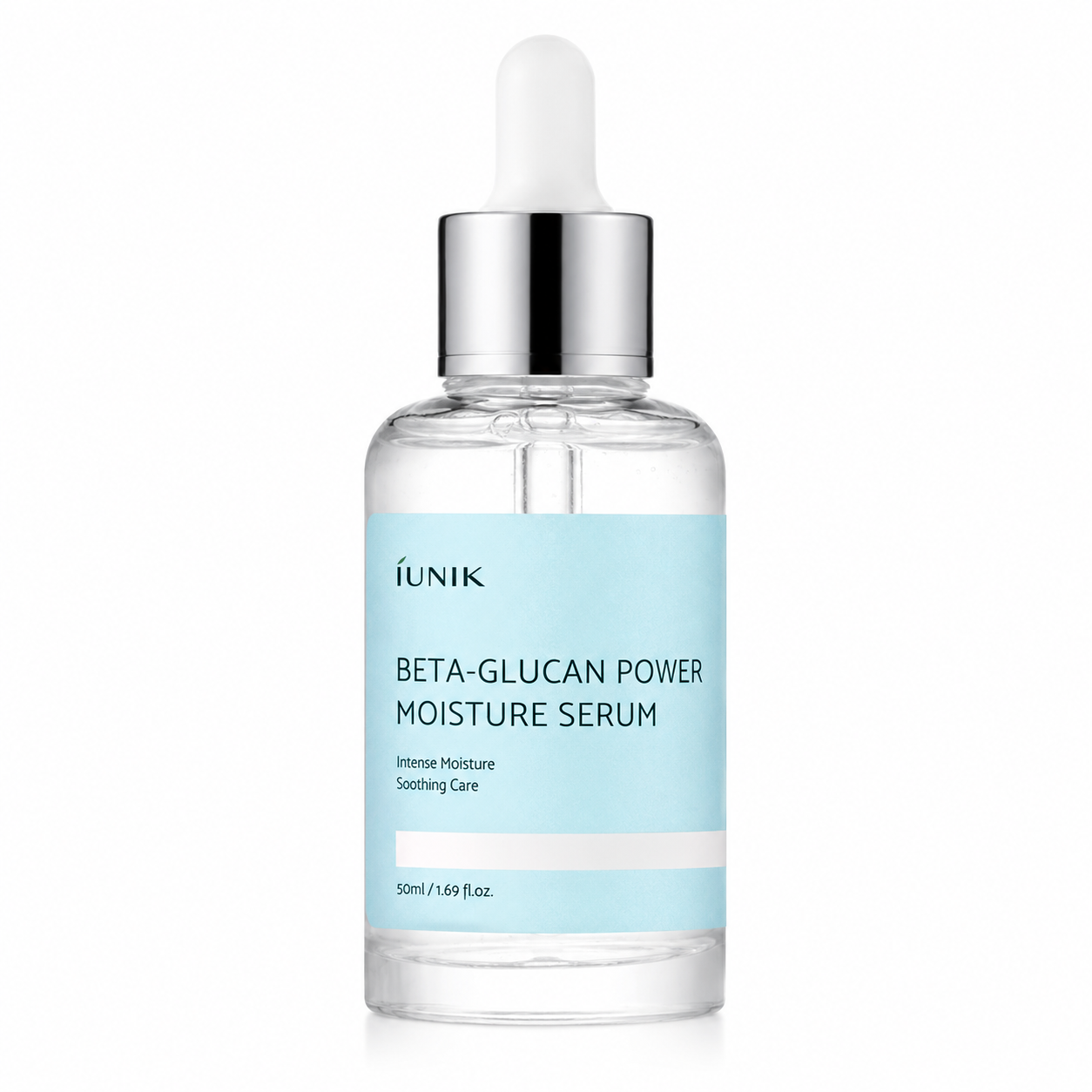
If your skin feels tight after cleansing, looks flaky, or feels dehydrated despite producing oil, you may be looking for better hydration or barrier support. Two ingredients commonly used for these concerns are ceramides and hyaluronic acid.
So, when it comes to ceramide vs hyaluronic acid, which one should you use?
It depends on what your skin needs. Hyaluronic acid is a humectant that helps attract and retain water, while ceramides are lipids that help support the skin barrier and reduce moisture loss. They have different roles, and you can use them together rather than choosing only one.
Ceramide vs Hyaluronic Acid: What's the Difference?
The main difference between ceramides and hyaluronic acid is what they contribute to your skincare routine.
Hyaluronic acid is a humectant. It helps attract and retain water, which can support skin hydration and make the skin feel softer and more comfortable.
Ceramides are lipids naturally found in the skin. They are important components of the skin barrier, which helps reduce water loss and protects the skin from external irritants.
This is the key hyaluronic acid vs ceramides difference to keep in mind when choosing skincare products.
For example, the IZEZE Soul HNA Hydro Serum contains multiple forms of hyaluronic acid and can be used as a hydrating step in a skincare routine. The Dr.Althea 147 Barrier Cream contains Ceramide NP along with hydrating and moisturizing ingredients.
Which One Does Your Skin Need?
Rather than choosing based only on whether your skin is oily, dry, or combination, consider what your skin is currently experiencing.
If your skin feels tight or dehydrated
A product containing hyaluronic acid or another humectant may help add water-based hydration.
If your skin feels tight immediately after cleansing, however, consider your cleanser as well. A cleanser that leaves your skin uncomfortably tight may be too drying for your routine.
A lightweight hydrating serum can be useful if your moisturizer is already working well but your skin still feels dehydrated.
If your skin is dry, rough, or flaky
A moisturizer may be more important than adding another hydrating serum.
Dry skin can benefit from moisturizing ingredients that help improve comfort and reduce moisture loss. Ceramides are commonly included in moisturizers because they support the skin barrier.
A richer moisturizer may therefore be more useful than layering several lightweight serums.
If your skin is oily but dehydrated
Oily skin can still lack water.
In this situation, you may prefer a lightweight hydrating product containing hyaluronic acid and a moisturizer with a texture that feels comfortable on your skin. Having oily skin does not mean you need to skip moisturizer.
If your skin feels irritated after using multiple active products
Simplifying your routine may be more useful than adding another treatment.
Consider temporarily focusing on gentle cleansing, moisturizing, and sunscreen during the day. Introducing several new products at once can make it difficult to identify what is helping or contributing to discomfort.
If your skin is both dry and dehydrated
You may benefit from both hydration and barrier support.
A hyaluronic acid product can provide water-based hydration, while a moisturizer containing ceramides can help support the skin barrier and reduce moisture loss. You can also find products that contain both, so separate products are not always necessary.
Can You Use Ceramides and Hyaluronic Acid Together?
Yes. Ceramides and hyaluronic acid can be used together, and many skincare products contain both ingredients.
They aren't competing ingredients, and choosing between them isn't usually necessary.
If you use separate products, a simple routine could include a hyaluronic acid serum followed by a ceramide-containing moisturizer.
You can also choose one moisturizer or treatment that contains both ingredients. This can be a practical option if you prefer a shorter routine.
Before buying additional products, check the ingredients in your existing moisturizer and serums. You may already be getting both.
Ceramide Serum vs Hyaluronic Acid: Which Should You Choose?
When comparing a ceramide serum vs hyaluronic acid serum, look at what your routine is missing rather than choosing based on the ingredient name alone.
A hyaluronic acid serum is generally used to add lightweight hydration. It may be useful when your skin feels dehydrated or tight but does not need a richer product.
A ceramide serum can provide barrier-supporting ingredients in a lightweight format. However, the rest of the formula matters, and a serum does not necessarily replace a moisturizer.
If your skin already feels comfortable with your moisturizer but needs more hydration, a hyaluronic acid serum may be worth considering.
If your skin feels dry, rough, or uncomfortable and your current routine lacks barrier-supporting ingredients, a ceramide-containing moisturizer may be a more useful addition.
And if you need both, you do not necessarily need separate products.
Hyaluronic Acid vs Ceramides for Dry Skin
For dry skin specifically, combining both matters more than choosing one.
For dry skin, a moisturizer that combines hydrating and barrier-supporting ingredients can be a practical choice because it addresses more than one aspect of skin moisture.
For example, the Dr.Althea 147 Barrier Cream contains Ceramide NP and multiple forms of hyaluronic acid, allowing both ingredients to be included in one moisturizing step.
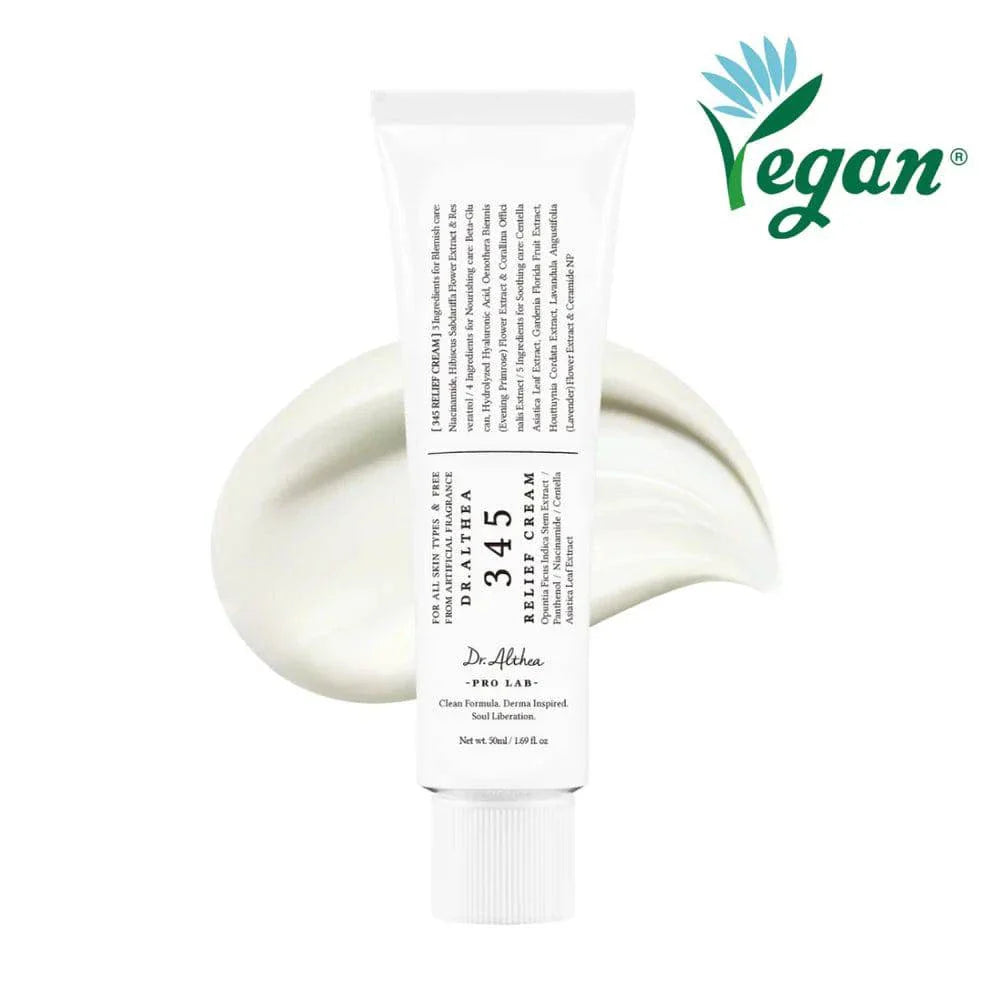
The Dr.Althea 345 Relief Cream also contains Ceramide NP, sodium hyaluronate, hydrolyzed hyaluronic acid, niacinamide, and panthenol.
Rather than choosing a product solely because it contains ceramides or hyaluronic acid, consider the complete formula, texture, and how it fits into your existing routine.
How to Use Ceramides and Hyaluronic Acid in Your Routine
You do not need a complicated routine to use these ingredients.
A basic routine can look like this:
1. Cleanser
Use a gentle cleanser that does not leave your skin feeling uncomfortably tight after washing.
2. Hyaluronic acid serum, if needed
If your skin needs additional hydration, apply your serum after cleansing.
3. Moisturizer
Apply a moisturizer to provide lasting moisture. If it contains ceramides or other barrier-supporting ingredients, it can also support the skin barrier.
4. Sunscreen in the morning
Finish your morning routine with a broad-spectrum sunscreen.
If your moisturizer already provides enough hydration, you may not need a separate hyaluronic acid serum. Your routine does not need to include every possible skincare step.
Frequently Asked Questions
Is hyaluronic acid or ceramide better?
Neither ingredient is universally better. Hyaluronic acid primarily supports hydration, while ceramides support the skin barrier and help reduce moisture loss. The more useful option depends on what your skin and current routine need.
Can I use ceramides and hyaluronic acid every day?
Yes. Both ingredients are commonly used in daily skincare routines and can generally be used morning or evening. You can use them in separate products or choose a product containing both.
Can ceramides be used with niacinamide?
Yes. Ceramides and niacinamide can be used together and are commonly found in moisturizers and other barrier-focused skincare formulas.
For example, Dr.Althea 345 Relief Cream contains both niacinamide and Ceramide NP. Check the current product information for the latest formulation and intended use.
Can hyaluronic acid make your skin feel drier?
Hyaluronic acid is a humectant used to support hydration, but a hyaluronic acid serum alone may not provide enough moisturizing or barrier support for everyone.
If your skin still feels tight after using a hydrating serum, look at the rest of your routine, particularly your moisturizer and cleanser, rather than automatically applying more serum.
Do ceramides help acne-prone skin?
Ceramides do not treat acne themselves. However, a ceramide-containing moisturizer can provide barrier-supporting care for acne-prone skin, particularly when dryness or irritation is associated with acne treatments.
What if my skin is still dry after using both?
Using both ingredients does not guarantee that dryness will disappear.
Look at your entire routine. A harsh cleanser, frequent exfoliation, strong active ingredients, or a moisturizer that does not provide enough moisture for your skin can all contribute to dryness or discomfort.
Try simplifying your routine and focusing on gentle cleansing and moisturizing. If persistent dryness, redness, irritation, or discomfort continues, consider speaking with a dermatologist.
The Takeaway: Ceramides vs. Hyaluronic Acid
When comparing ceramide vs hyaluronic acid, the choice does not have to be one or the other.
Hyaluronic acid helps attract and retain water, making it useful for supporting hydration. Ceramides support the skin barrier and help reduce moisture loss.
If your skin feels dehydrated, a hydrating product may be useful. If it feels dry or struggles to retain moisture, a moisturizer with barrier-supporting ingredients may be particularly helpful.
You can also use both ingredients together. In fact, a product that combines hydration and barrier support may be all you need for a simple routine.
A shorter routine with the right two or three ingredients usually beats a longer one with redundant products.