Your skincare routine does not need to change completely when you enter a new decade. What may change is what your skin needs from that routine. As people get older, changes in collagen, elasticity and moisture retention can affect how skin looks and feels, while concerns such as acne, pigmentation, dryness, texture and fine lines may become more noticeable.
That does not mean everyone needs a new set of products at 30 or 40. The right approach to skincare in your 20s, 30s and 40s depends on your skin type, current concerns and how your skin responds to the products you use.
We recommend keeping the foundation simple and making adjustments only when your skin gives you a reason to. Your 20s may be about establishing consistent habits, your 30s may bring more specific concerns to address, and your 40s may call for more attention to hydration and skin comfort. But these are general patterns, not fixed timelines.
What Actually Changes in Your Skin From Your 20s to Your 40s?
Skin changes gradually. Genetics, sun exposure, hormones, lifestyle and skin type all influence how these changes appear.
Which Skincare Steps Should Stay the Same at Every Age?
A good skincare routine can remain relatively simple throughout your 20s, 30s and 40s.
In the morning, cleanse, apply a targeted serum if you use one (such as vitamin C or niacinamide), moisturize and finish with broad-spectrum sunscreen.
In the evening, cleanse, apply a treatment such as a retinoid if needed, and moisturize.
Daily sun protection matters at every age because cumulative UV exposure contributes to wrinkles and uneven pigmentation. The American Academy of Dermatology recommends broad-spectrum SPF 30 or higher.
Moisturizer stays relevant at every age. Its texture depends on your skin's needs, and getting older does not automatically mean you need a heavier cream.
The same principle applies to cleansing. If your current cleanser leaves your skin comfortable and clean without excessive dryness, there may be no reason to replace it simply because you have entered a new decade.
How to Care for Your Skin in Your 20s
Skincare for your 20s is often about building habits that you can maintain consistently.
Acne, post-acne marks, uneven tone and dehydration can all influence your routine. Some people may also begin noticing early signs of sun damage or fine lines, but this does not mean everyone in their 20s needs an anti-aging routine.
Keep the Basics Consistent
A gentle cleanser, moisturizer and sunscreen are enough for most people. If uneven tone or another specific concern bothers you, add a targeted serum.
If your skin is oily or acne-prone, a salicylic acid cleanser can help.
Explore COSRX Salicylic Acid Daily Gentle Cleanser
For clogged pores and blackheads, a leave-on exfoliant such as the COSRX BHA Blackhead Power Liquid is an alternative to layering several treatments.
Explore COSRX BHA Blackhead Power Liquid
Is Retinol Necessary in Your 20s?
Not necessarily. Retinoids can help with acne, uneven texture and signs of photoaging, but there is no set age to start. If acne, pigmentation or texture is your concern, a dermatologist can help you choose a retinoid or another treatment. If your skin is healthy and comfortable, you can skip it.
What to Adjust in Your Skincare Routine in Your 30s
Skincare in your 30s can involve more attention to specific concerns, but it does not require a completely new routine.
Fine lines, pigmentation, uneven texture, adult acne and dehydration may become more noticeable. Your existing cleanser, moisturizer and sunscreen can stay.
The useful question is not, “What should I replace because I am 30?” It is, “Is there a concern my current routine is not addressing?”
Add One Targeted Step When You Need It
For example, if your concern is texture or the appearance of fine lines, you might consider a targeted treatment rather than adding multiple serums.
If you want support for fine lines and firmness, a peptide serum is one option. COSRX The 6 Peptide Skin Booster Serum contains six peptides.
Explore COSRX The 6 Peptide Skin Booster Serum
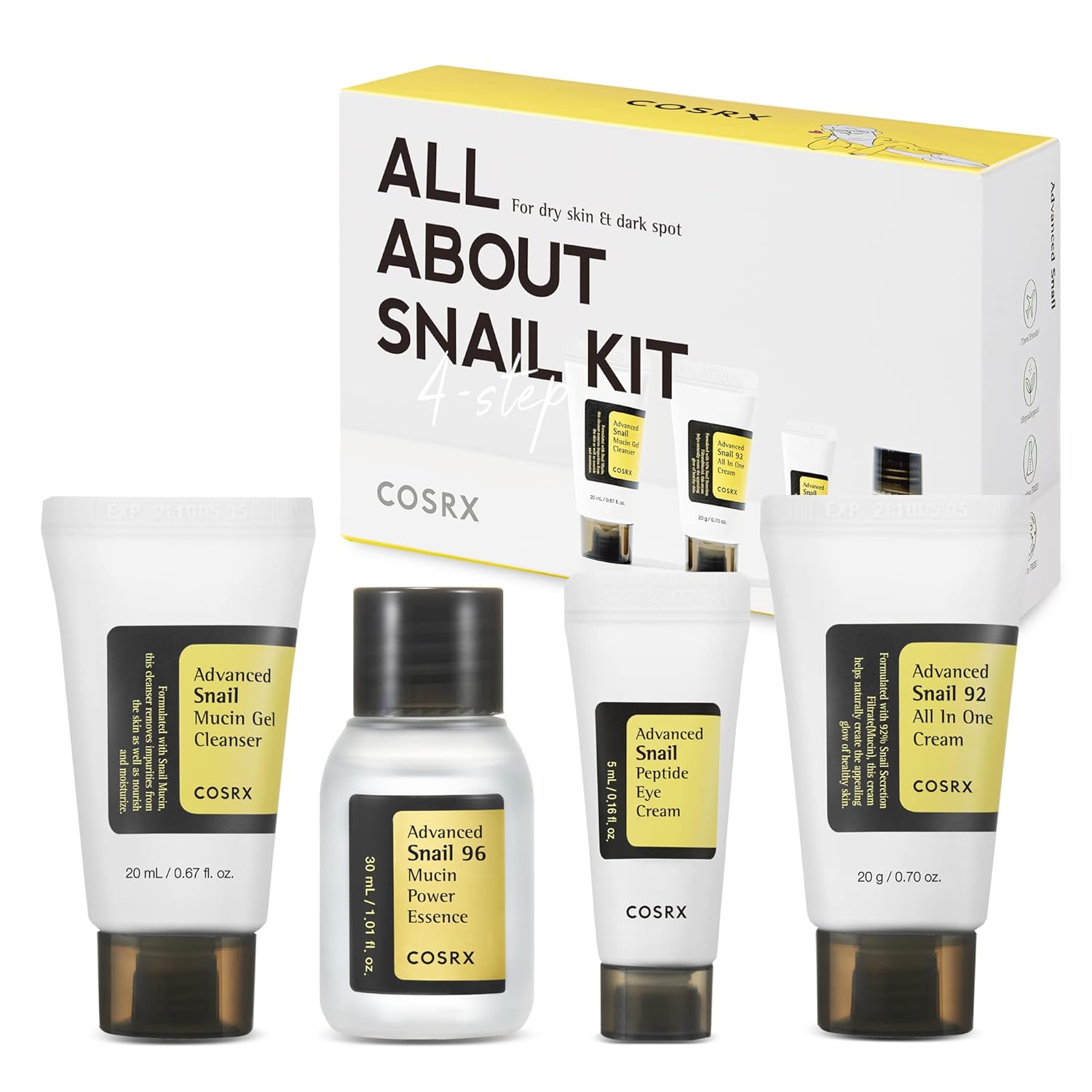
If dehydration is your main concern, choose a hydrating product instead. The COSRX Advanced Snail 96 Mucin Power Essence suits dehydrated skin at any age.
Retinoids are another option for fine lines, acne, pigmentation or texture. Retinol is one type of retinoid, and prescription retinoids are stronger. Start gradually, use them in the evening and wear sunscreen the next day because they increase sun sensitivity.
A Simple Approach Can Be Enough
A cleanser, moisturizer, sunscreen and one targeted treatment are enough for many routines. Adding more products makes it harder to tell what is helping or causing irritation.
How Your Skincare Needs May Change in Your 40s
In your 40s, dryness, changes in elasticity, deeper lines or pigmentation may become more noticeable.
Hormonal changes can be part of this transition. Perimenopause and menopause can affect skin moisture and elasticity, but these changes do not happen at the same time or in the same way for everyone.
Give More Attention to Comfort and Hydration
If your skin has become drier or more sensitive, switch to a gentler cleanser and add a hydrating product.
The SKIN1004 Madagascar Centella Ampoule is a lightweight ampoule formulated with Centella Asiatica extract and can be considered when you want to add a soothing, hydrating step.
Explore SKIN1004 Madagascar Centella Ampoule
This makes it a reasonable example of how a routine can be adjusted toward soothing and hydration without assuming that someone in their 40s needs a collection of stronger anti-aging treatments.
If your skin remains oily, however, you may not need to make your entire routine richer. A lightweight product can still be appropriate.
Retinoids Can Still Be an Option
It is not too late to start a retinoid in your 40s. If your skin is already dry or sensitive, begin with a low strength, use it less often and stop if irritation persists. Choose a strength your skin tolerates consistently.
How Do You Know When Your Skincare Routine Needs Changing?
Reassess your routine if you notice:
-
Dryness, tightness or products that no longer feel comfortable
-
New or ongoing irritation
-
Breakouts that continue despite your current routine
-
Changes in pigmentation or uneven tone
-
Texture that has become a concern
A change does not always mean adding an active ingredient. If your skin is irritated, use fewer actives. If it feels dry, change your moisturizer or cleanser before adding another serum.
Introduce one new product at a time so you can tell how your skin responds. Avoid starting a BHA exfoliant and a retinoid together, as this can increase irritation.
If you have persistent acne, irritation, sudden changes in your skin or another ongoing concern, consider speaking with a dermatologist.
Avoid topical retinoids during pregnancy. If you are pregnant, trying to conceive, breastfeeding or unsure about an ingredient, speak with your healthcare provider or dermatologist before using a retinoid.
Common Questions About Skincare at Different Ages
Do You Need Anti-Aging Products in Your 20s?
No. In your 20s, daily sunscreen, a suitable moisturizer and treating specific concerns such as acne, pigmentation or dehydration matter more than an anti-aging routine. If you have a specific concern, add one targeted treatment.
Is It Too Late to Start Retinol in Your 40s?
No. Retinol and other retinoids can still help with fine lines, uneven texture, pigmentation and acne in your 40s. Start gradually and follow the product's instructions.
Can You Use the Same Skincare Products in Your 20s, 30s and 40s?
Yes, as long as they still work for your skin. You may eventually change your moisturizer's texture, add a targeted treatment or adjust how often you use an active, but let your skin, not your age, prompt those changes.
Should You Choose Skincare Based on Your Age or Skin Type?
Skin type and current concerns take priority. Someone in their 20s can have dry, sensitive skin and need a hydrating routine, while someone in their 40s can have oily skin and prefer lightweight products. Choose products based on your skin type, concerns and tolerance.
What Really Needs to Change?
Your skincare routine does not need to be rebuilt every ten years.
The foundation can remain simple: cleanse appropriately, moisturize according to your skin's needs and use broad-spectrum sunscreen during the day. What changes is the targeted care you may choose to add when your concerns change.
We recommend a simple routine that adapts to your skin, not your age.